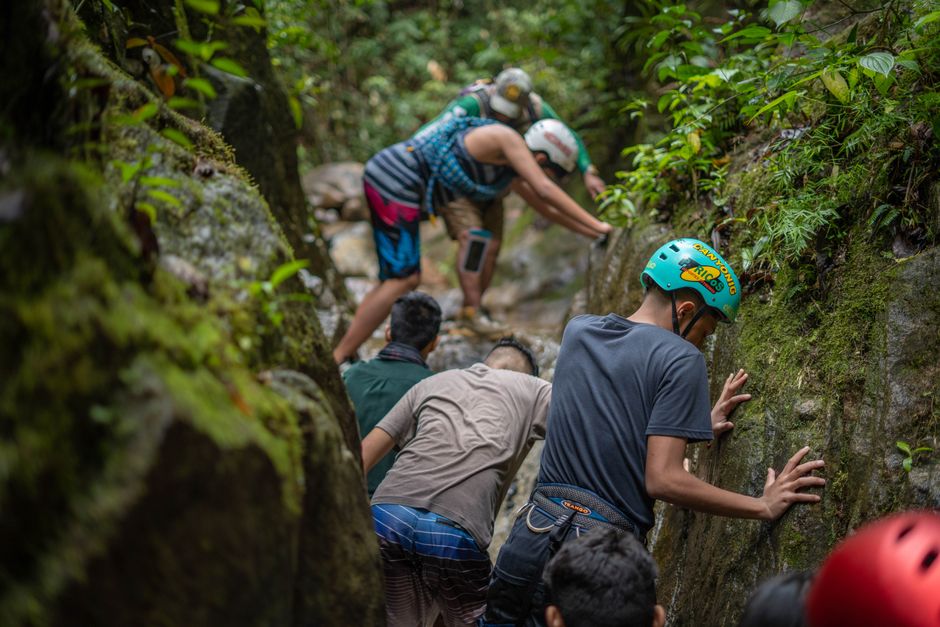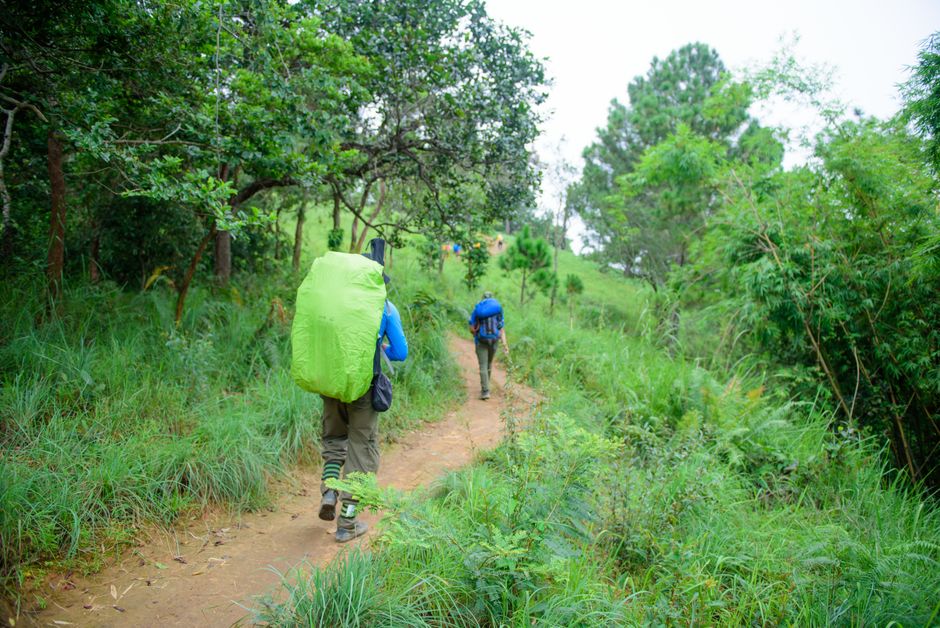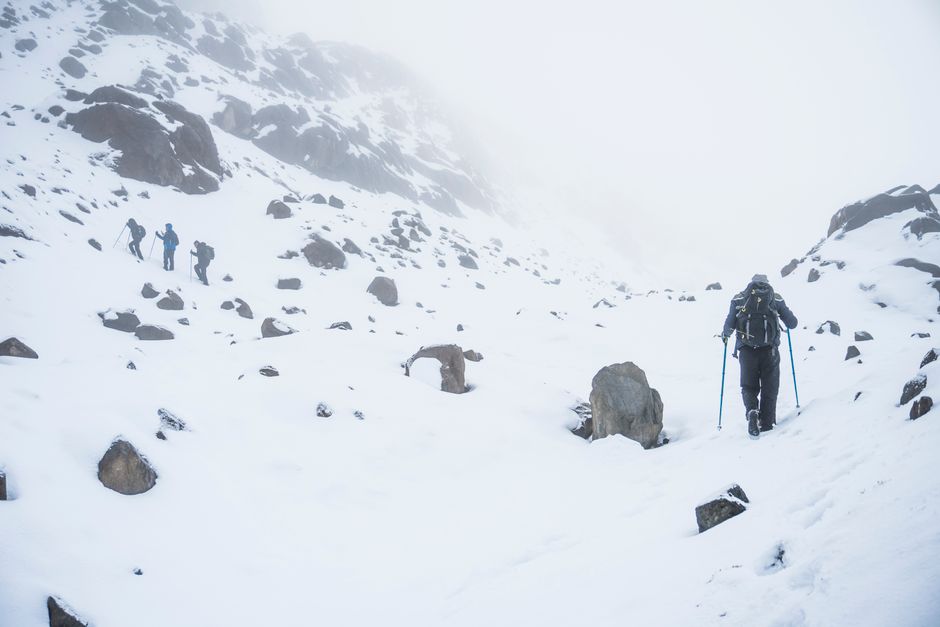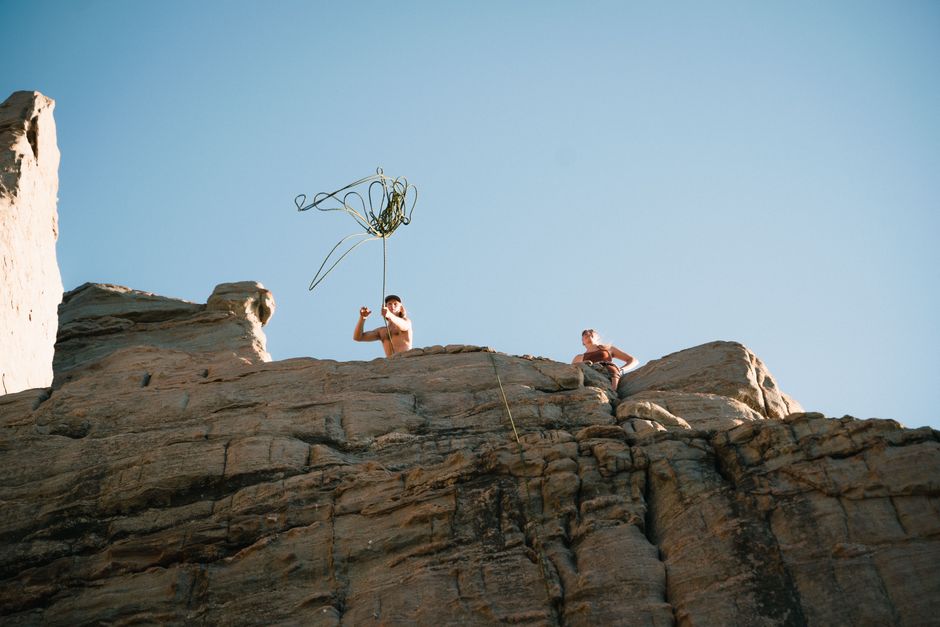
Mountain climbing is an exhilarating outdoor activity that offers a unique perspective on nature, both physically and mentally challenging, and allows you to connect with the world in an unparalleled way. Whether you're a seasoned climber or a beginner looking to explore the heights, Nigeria offers some of the most breathtaking and diverse landscapes for climbing enthusiasts. From the lush terrains of the eastern highlands to the rugged cliffs of the north, the variety is as vast as it is captivating.
In this guide, we'll explore some of the best mountain climbing spots across Nigeria, providing insights into what makes each destination unique. We'll also share practical tips for both seasoned climbers and newbies, ensuring you have a safe and rewarding climbing experience. So, lace up your boots and let's embark on a thrilling adventure through Nigeria's majestic peaks!
Why Choose Mountain Climbing in Nigeria?
Rich Cultural Heritage
Nigeria is not only rich in natural beauty but also steeped in cultural heritage. As you climb the mountains across different regions, you will encounter diverse communities with unique traditions and stories that add depth to the adventure.
Every region has its own myths and legends associated with the mountains, making each climb not just a physical challenge but a cultural journey too.
Diverse Landscapes
From the grasslands of the Jos Plateau to the rolling hills of the Mambilla Plateau, Nigeria's landscapes are incredibly varied. This diversity means that each climbing experience offers something new, whether it's the flora, fauna, or the geological features.
Such variety ensures that no two climbs are ever the same, catering to different skill levels and preferences.
Top Mountain Climbing Destinations in Nigeria
Mambilla Plateau
- Location: Taraba State
- Height: 1,830 meters above sea level
Known as the highest plateau in Nigeria, Mambilla offers climbers a chance to experience stunning views and unique biodiversity. The cool climate and lush vegetation make it an ideal climbing destination.
Olumo Rock
- Location: Ogun State
- Height: Approximately 137 meters
Although not a mountain, Olumo Rock provides a unique climbing experience with its historical significance and panoramic views of Abeokuta city. It's perfect for those who prefer a less physically demanding climb.
Shere Hills
- Location: Plateau State
- Height: 1,829 meters
Popular among hiking and climbing enthusiasts, Shere Hills is one of the highest points in Nigeria. The trails offer varying levels of difficulty, making it suitable for both beginners and experienced climbers.
Essential Gear and Safety Tips
Climbing Equipment
Ensure you have the right gear before setting out. This includes:
- Quality climbing boots
- Ropes and harnesses
- Climbing helmet
- First aid kit
Having the right equipment not only enhances your climbing experience but also ensures your safety.
Weather Considerations
Always check the weather forecast before a climb. Nigeria's weather can be unpredictable, and climbing in rain or thunderstorms can be dangerous.
"It's important to remain flexible with your plans and be prepared for weather changes. Safety should always be your top priority."
Planning Your Climbing Adventure
Best Time to Climb
The dry season, typically from November to March, is the best time for mountain climbing in Nigeria. During this period, the weather is more predictable, and the trails are less slippery.
Guided Tours vs. Solo Climbing
Choosing between a guided tour and a solo climb depends on your level of experience. For beginners, a guided tour is recommended for safety reasons and to gain insights from local guides.
Experienced climbers might prefer the freedom of solo climbs, but it's always advisable to inform someone about your climbing plans for safety.
Conclusion
Mountain climbing in Nigeria offers not only the thrill of adventure but also an opportunity to connect with the country's rich cultural tapestry and stunning natural landscapes. Whether you're scaling the heights of the Mambilla Plateau or exploring the historical Olumo Rock, each climb promises a rewarding experience. Remember to prioritize safety, equip yourself properly, and immerse yourself in the stories and traditions of the local communities. Happy climbing!