Nigeria, a land of diverse landscapes and untapped potential, offers much more than bustling cities and vibrant markets. For those with a love for adventure and a thirst for heights, Nigeria's mountainous terrains beckon. Imagine standing atop one of Nigeria's majestic peaks, the world spreading out before you, each ascent a story of triumph and exploration. Mountain climbing in Nigeria might not yet be world-renowned, but it is an emerging adventure sport that promises thrill and awe in equal measure.
Have you ever considered scaling the heights of Nigeria's lesser-known mountains? From the challenging ascents of Chappal Waddi to the scenic views from the plateaus of Jos, this guide will take you through the essential steps to embark on a mountain climbing journey in Nigeria. Whether you are a seasoned climber looking for new challenges or a beginner eager to start, you'll find valuable insights here.
Join us as we delve into the heart of Nigeria's mountains, exploring routes, sharing practical tips, and highlighting the unique features that make each peak a worthy pursuit. So gear up, tie your laces, and let's dive into the world of mountain climbing adventures in Nigeria!
Understanding Nigeria's Mountainous Regions
Key Mountain Ranges and Peaks
Nigeria's geography is as diverse as its culture, boasting several mountain ranges that cater to climbers of all skill levels. The Obudu Plateau in Cross River State offers a lush, green terrain that challenges with its steep climbs and rewards with breathtaking panoramas. Meanwhile, the Mandara Mountains, which extend to the Cameroon border, provide rugged trails that promise adventure for the daring.
Then there's Chappal Waddi, Nigeria's highest peak, located in Taraba State. At 2,419 meters (7,936 feet), it presents a formidable challenge even for experienced climbers. Each of these locations offers unique climbing experiences, from technical ascents to easier routes suitable for beginners.
Best Time to Climb
Timing your climb is crucial for a safe and enjoyable experience. The dry season, from November to April, is ideal for mountain climbing in Nigeria. During this period, the weather is cooler and drier, reducing the risks of slippery trails and sudden weather changes that are common during the rainy season.
"The beauty of mountain climbing lies not just in the view from the top, but in the challenges and camaraderies shared along the way."
Essential Gear and Preparation
Gear Checklist
- Sturdy Hiking Boots: Essential for tackling rocky and uneven terrains.
- Weather-appropriate Clothing: Layered clothing to adapt to temperature changes.
- Backpack: Durable and spacious enough to carry water, snacks, and gear.
- Navigation Tools: Maps, compass, or GPS devices to stay on track.
- First Aid Kit: For handling minor injuries and emergencies.
- Climbing Equipment: Ropes and harnesses for more technical climbs.
Proper gear is non-negotiable in mountain climbing. Investing in quality equipment ensures safety and enhances your climbing experience. Nigeria's mountains can be unpredictable, and being well-prepared can make the difference between a memorable adventure and a hazardous ordeal.
Physical and Mental Preparation
Climbing requires more than just physical strength; it's a mental game too. Engaging in regular exercise, focusing on endurance and strength training, can prepare your body for the challenges ahead. Equally important is mental preparation. Visualization techniques and meditation can help manage the stress and anxiety that often accompany challenging climbs.
Navigating Cultural and Environmental Considerations
Respecting Local Customs
When climbing in Nigeria, it's important to respect the cultures and traditions of the local communities. Engage with local guides and porters, who not only enhance your safety but also enrich your experience with their knowledge of the terrain and local lore.
Environmental Stewardship
Mountain climbers have a responsibility to protect the environment. Practice Leave No Trace principles, ensuring that your climbing adventure does not harm the natural beauty and biodiversity of Nigeria's mountains.
"Take nothing but pictures, leave nothing but footprints, kill nothing but time."
Routes and Climbing Techniques
Popular Climbing Routes
While Nigeria offers several climbing spots, some routes stand out for their beauty and challenge. The climb to the top of Chappal Waddi is a rite of passage for serious climbers, offering a challenging ascent with stunning views. The trails of Jos Plateau, while easier, are no less rewarding, with a blend of scenic landscapes and cultural sites.
Techniques for Different Terrains
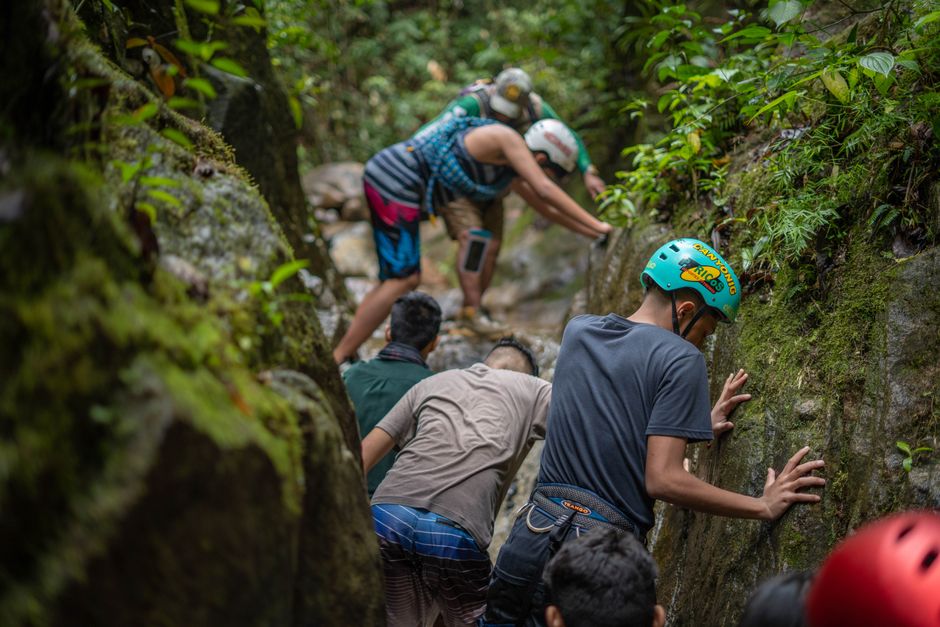
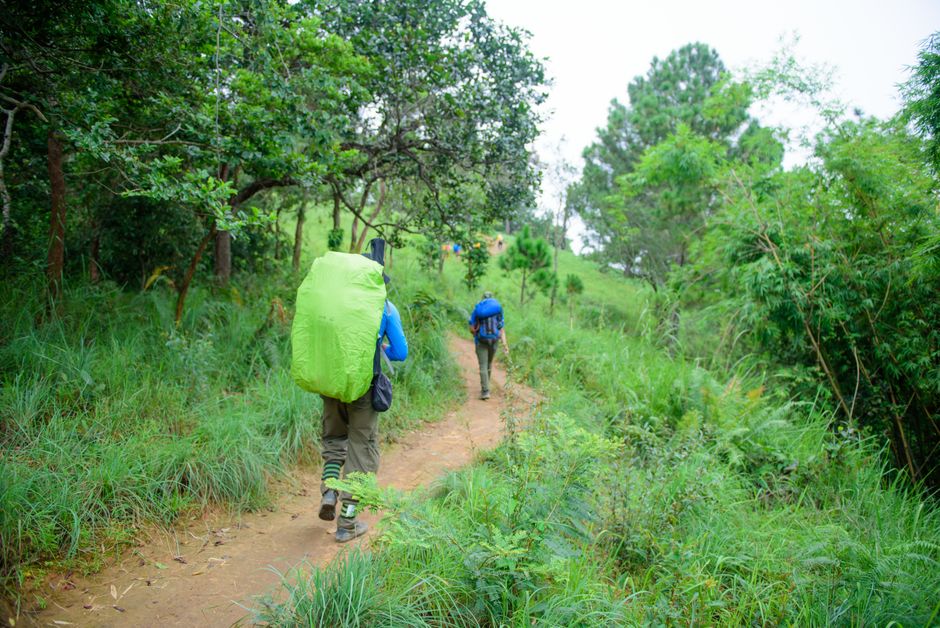
Each mountain presents its own set of challenges. Rocky terrains require careful footwork and the use of ropes, while grassy slopes demand endurance and steady pacing. Understanding these techniques is crucial for a safe climb.
Final Thoughts
Mountain climbing in Nigeria offers a unique blend of challenge, beauty, and cultural richness. As more climbers discover these hidden gems, it's essential to climb responsibly, respecting both nature and local communities. Each peak climbed is not just a personal triumph but a contribution to the growing community of climbers who share a passion for adventure and exploration. So pack your gear, plan your route, and take the first step towards conquering Nigeria's stunning peaks.