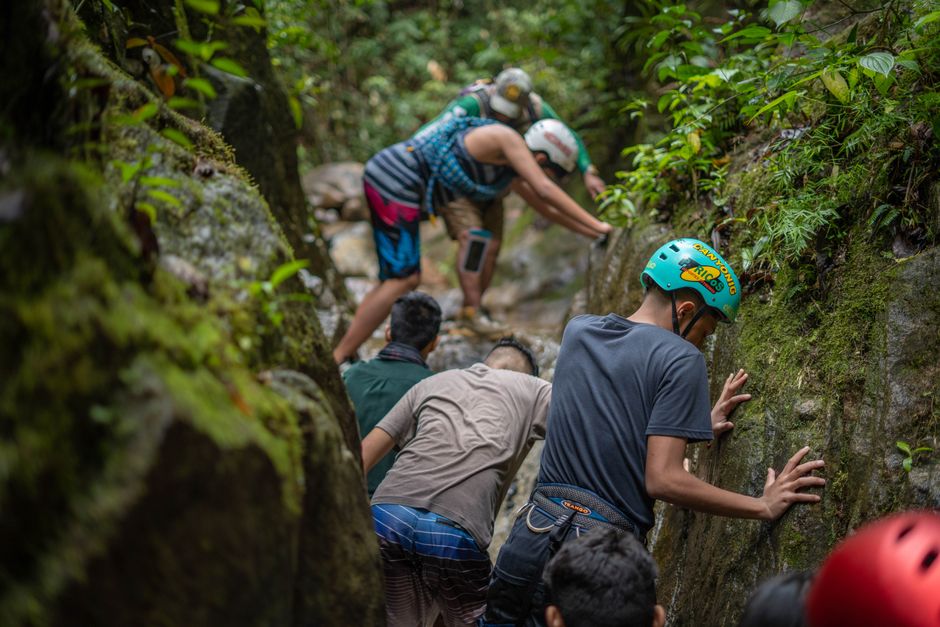
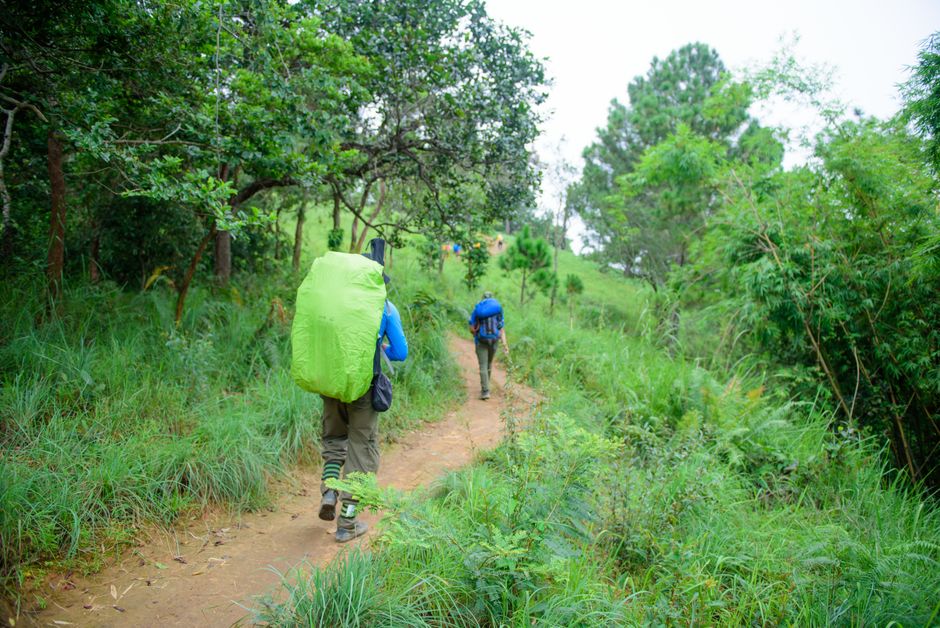
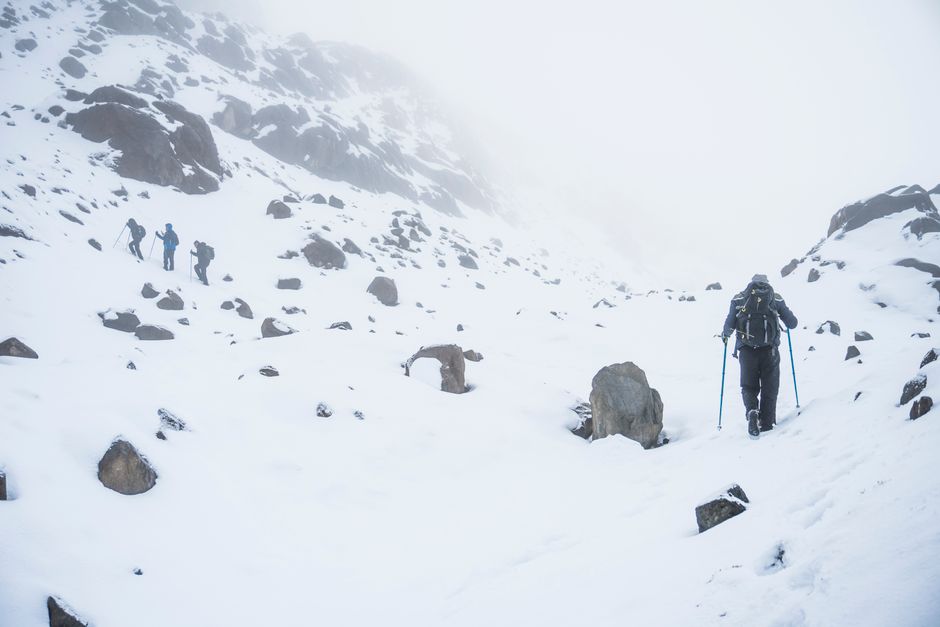
Nigeria, often celebrated for its bustling cities and rich cultural tapestry, is also home to impressive natural landscapes that beckon adventurers. Among these, mountain climbing stands out as an exhilarating way to explore the country's rugged beauty. From the towering heights of the Chappal Waddi, the highest point in Nigeria, to the mystical allure of the Aso Rock, the opportunities for climbers are as diverse as they are thrilling. Whether you're a seasoned climber or a curious beginner, there's a peak waiting for your conquest.
Imagine the thrill of reaching the summit, the world sprawling beneath you, with a sense of accomplishment as vast as the horizon. Mountain climbing in Nigeria is not just a test of physical endurance but a journey into the heart of the country's natural wonder. Let's delve into the vibrant world of Nigerian mountain climbing, where every peak tells a story and every climb leaves an indelible mark on your soul.
Choosing the Right Peak
Chappal Waddi: The Giant of Nigeria
Standing at an impressive 2,419 meters, Chappal Waddi offers seasoned climbers a challenging yet rewarding adventure. Located in Taraba State within the Gashaka Gumti National Park, it provides not only a demanding climb but an encounter with Nigeria's rich wildlife.
- Preparation: This climb requires adequate physical preparation and acclimatization due to its altitude.
- Best Time to Visit: Dry seasons, particularly from November to February, offer favorable climbing conditions.
Olumo Rock: A Cultural and Spiritual Ascent
Olumo Rock, situated in Abeokuta, Ogun State, is less about the climb's difficulty and more about the cultural journey it offers. As you ascend, you'll discover ancient carvings and caves that whisper tales of history.
- Experience: Ideal for beginners and those interested in Nigeria's cultural heritage.
- Pro Tip: Take a guided tour to fully appreciate the rock's historical significance.
Preparing for Your Climb
Essential Gear and Equipment
Having the right gear is crucial for both safety and comfort during your climb. Here's a list of essentials:
- Sturdy hiking boots with good grip
- Weather-appropriate clothing: waterproof and breathable layers
- Climbing harness and ropes for advanced climbs
- First aid kit
- Portable water purifier or enough bottled water
Physical and Mental Preparation
Mountain climbing, especially at higher altitudes, demands a good level of physical fitness. Engage in regular cardiovascular exercises, strength training, and flexibility workouts to prepare your body.
"The best view comes after the hardest climb." - Unknown
Understanding the Risks
Weather Conditions
The unpredictable weather in mountainous regions can pose significant risks. Always check weather forecasts before setting out and be prepared to adjust your plans accordingly.
- Tip: Carry a detailed map and a GPS device for navigation.
Altitude Sickness
Climbing at high altitudes can lead to altitude sickness. Symptoms include dizziness, headaches, and nausea. Ascend gradually and stay hydrated to mitigate risks.
Local Guides and Tours
The Value of Local Expertise
Hiring a local guide can enhance your climbing experience significantly. They offer insights into the terrain, culture, and wildlife, ensuring a safer and more enriching adventure.
- Guided tours often include cultural experiences and local cuisine tastings.
Final Thoughts
Mountain climbing in Nigeria is a gateway to exploring the country's natural and cultural wonders. Whether you're scaling the heights of Chappal Waddi or exploring the cultural depths of Olumo Rock, each climb is a step into the diverse tapestry of Nigeria. With the right preparation, respect for nature, and a spirit of adventure, you're set for an unforgettable journey. So grab your gear, set your goals, and let Nigeria's peaks challenge and inspire you.