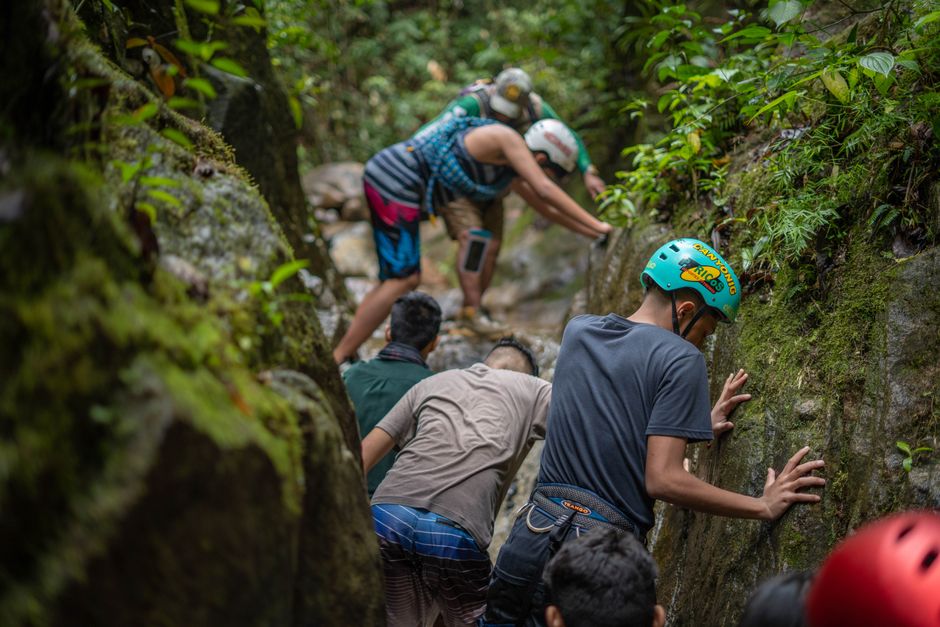
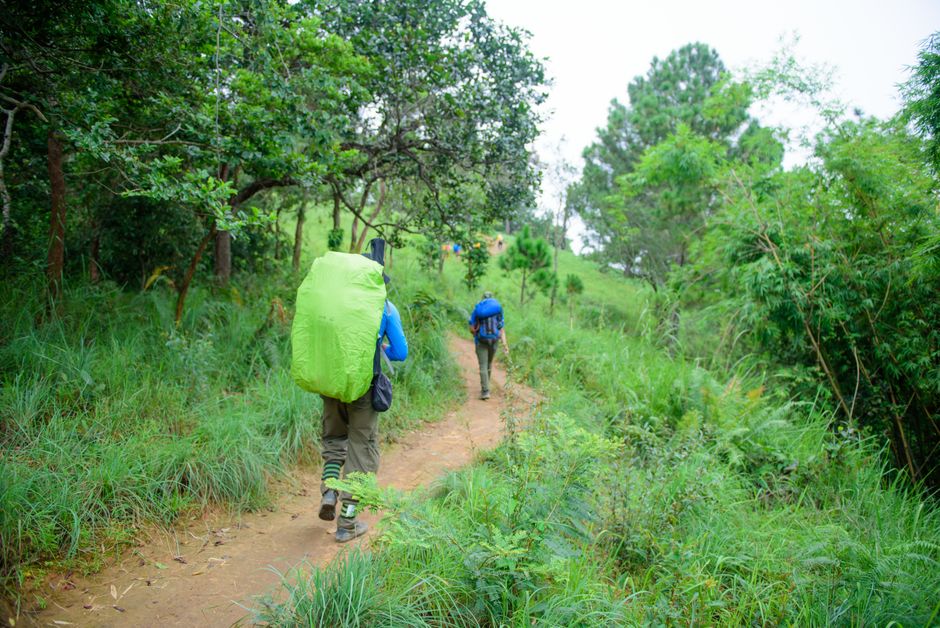
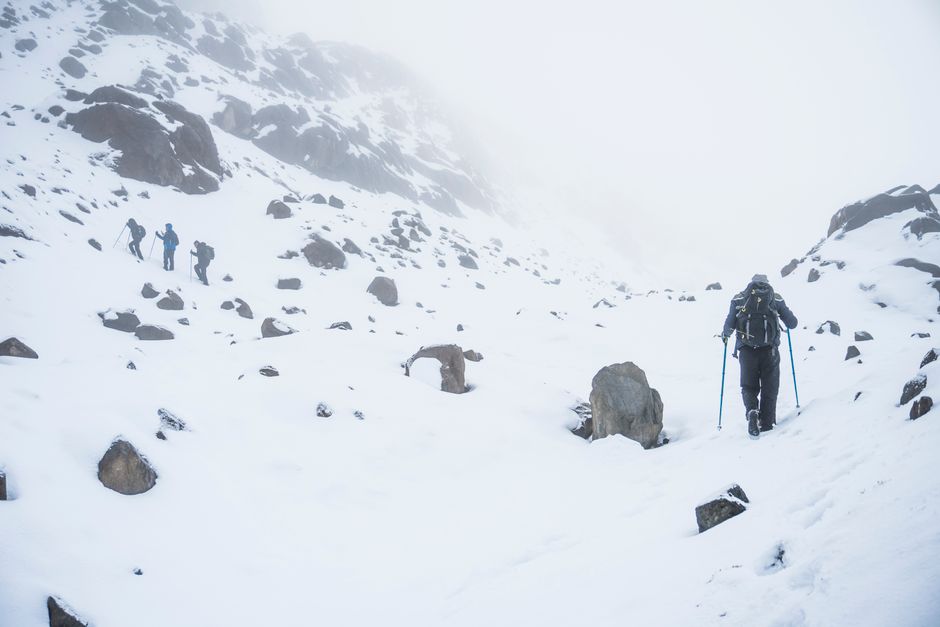
Mountain climbing in Nigeria is a thrilling adventure that offers both seasoned climbers and beginners a chance to explore some of Africa's most stunning landscapes. With a diverse range of peaks—each with unique challenges and breathtaking views—Nigeria's mountains provide an unparalleled experience for outdoor enthusiasts. In this guide, we'll delve into everything you need to know about mountain climbing in Nigeria, from the best mountains to climb, essential gear, safety tips, and more.
Understanding Nigeria's Mountain Ranges
Nigeria is home to several mountain ranges, each offering a unique blend of beauty and challenge. These ranges are spread across different regions, providing diverse climbing experiences.
Obudu Mountain Range
Located in Cross River State, the Obudu Mountain Range is famous for its lush greenery and cooler climate. It's a perfect spot for those looking to combine hiking with sightseeing.
Olumo Rock
In Ogun State, Olumo Rock offers not just a climbing challenge but also a rich cultural history, as it served as a fortress for the Egba people during inter-tribal wars.
Idanre Hills
Found in Ondo State, Idanre Hills are known for their historical significance and breathtaking views. They provide an excellent combination of cultural exploration and physical challenge.
Preparing for Your Climb
Preparation is key to a successful and enjoyable mountain climbing experience. Here's how you can prepare:
Choosing the Right Gear
- Footwear: Invest in sturdy, comfortable hiking boots that provide ankle support and traction.
- Clothing: Dress in layers to adapt to changing weather conditions.
- Backpack: A lightweight backpack to carry essentials like water, snacks, and a first aid kit.
Physical Training
Mountain climbing demands a good level of physical fitness. Regular cardio exercises, strength training, and flexibility workouts can help you build the stamina needed.
Understanding the Terrain
Researching the specific mountain range you plan to climb will give you insights into the terrain and potential challenges.
"Failing to prepare is preparing to fail. Equip yourself with the right gear and knowledge for a safe climb."
Safety Tips for Mountain Climbing
Safety should be your top priority. Here are some essential safety tips:
Climb with a Partner
Partnering with someone can enhance safety by ensuring there's help available in case of emergencies.
Check Weather Conditions
Always check the weather forecast before your climb as sudden changes can affect your safety on the mountain.
Stay on Marked Trails
Wandering off marked trails can be dangerous. Stick to paths that are well-trodden and marked.
Exploring Local Culture and Traditions
One of the joys of mountain climbing in Nigeria is the opportunity to immerse yourself in local culture.
Engage with Local Communities
Many mountain regions are inhabited by indigenous people. Engaging with them can enrich your experience.
Respecting Traditions
Be respectful of local customs and traditions, especially in areas where mountains have cultural significance.
Environmental Conservation
As climbers, it's important to be mindful of environmental conservation to preserve the natural beauty of these mountain ranges.
Leave No Trace
Carry out all trash and avoid disturbing wildlife. This ensures that the environment remains pristine for future climbers.
Support Sustainable Tourism
Choose local guides and services that prioritize sustainable practices. This supports local economies and conservation efforts.
Final Thoughts
Mountain climbing in Nigeria offers an unforgettable adventure filled with physical challenges and cultural exploration. By preparing adequately, respecting local traditions, and prioritizing safety and conservation, you can enjoy a rewarding experience amid Nigeria's majestic peaks.