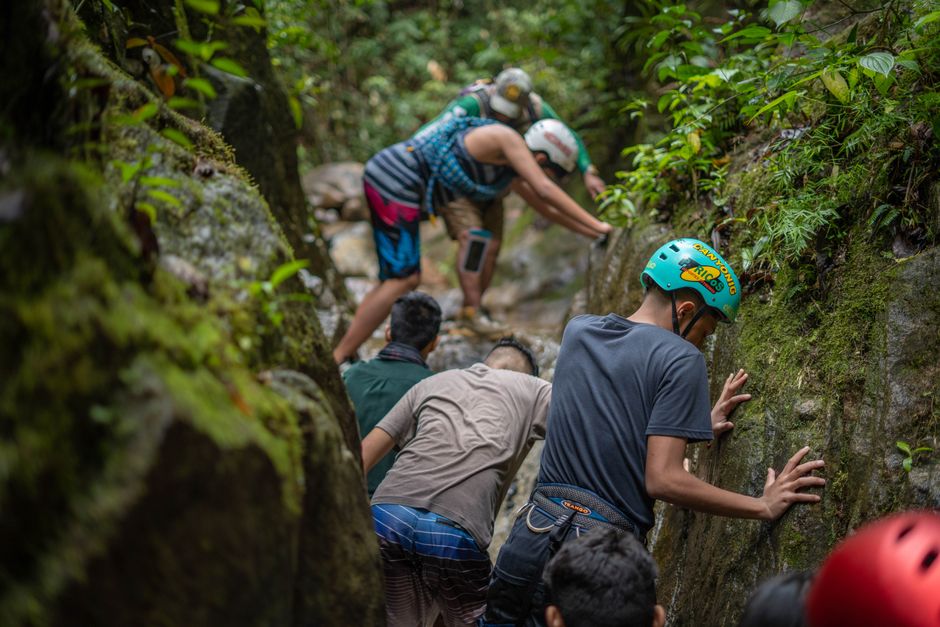
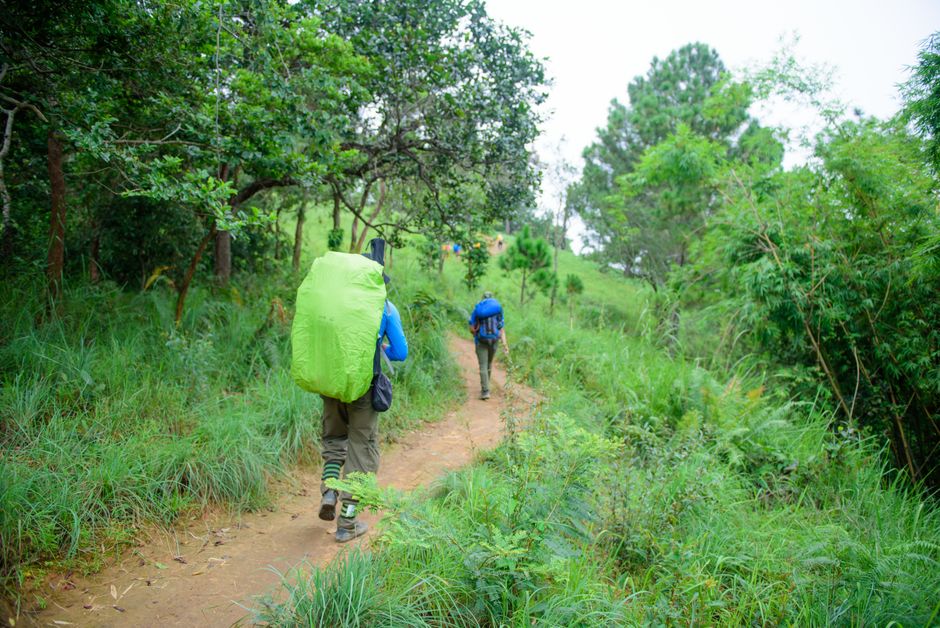
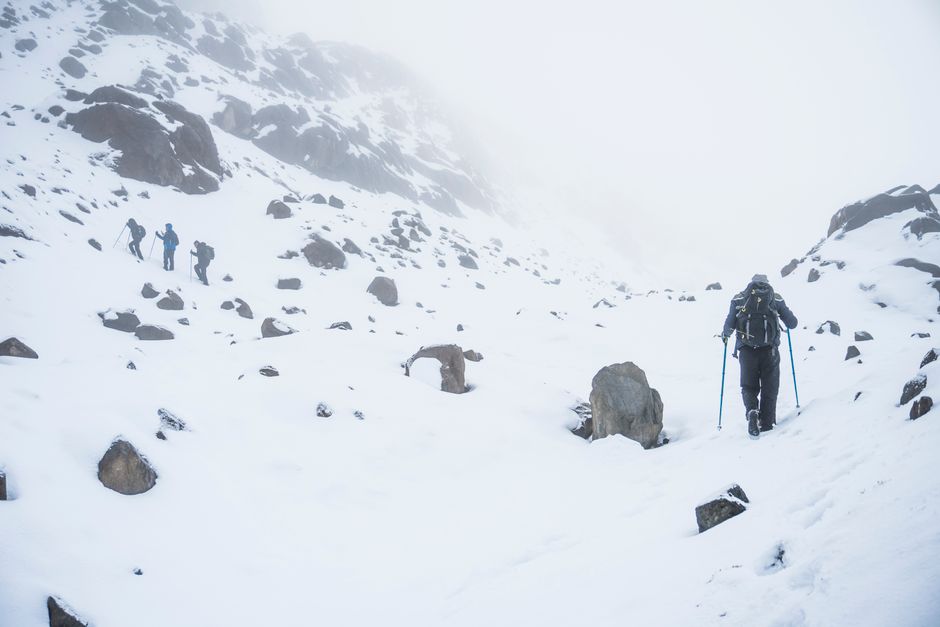
If you’re seeking an adrenaline rush combined with breathtaking views, mountain climbing in Nigeria is an adventure waiting to be explored. Nigeria offers diverse landscapes, from lush rainforests to towering peaks, promising an exhilarating experience for thrill-seekers. Whether you’re a seasoned climber or a curious beginner, Nigeria’s mountains present a challenge that’s both daunting and rewarding.
Climbing a mountain is more than just a physical feat; it's a journey that tests your limits and rewards you with panoramic views of Nigeria's natural beauty. In this guide, we'll delve into the top mountain climbing destinations in Nigeria, essential tips for beginners, and how to prepare for your next high-altitude adventure.
Top Mountain Climbing Destinations in Nigeria
1. Chappal Waddi
Known as the highest point in Nigeria, Chappal Waddi, located in Taraba State, is a must-visit for climbers. Standing at 2,419 meters, it's a formidable challenge that offers stunning views of the surrounding landscapes.
2. Obudu Mountain
Situated in Cross River State, Obudu Mountain is famous for its lush scenery and cool climate. The climb is less strenuous compared to Chappal Waddi, making it ideal for beginners.
- Best time to climb: November to March.
- Recommended gear: Hiking boots, warm clothing, and a camera.
Essential Tips for Beginner Climbers
1. Start with Basic Training
Before tackling Nigeria's peaks, engage in regular physical exercise to build stamina and strength. Focus on cardiovascular workouts and leg exercises, such as squats and lunges.
"Mountain climbing is as much a mental challenge as it is physical. Prepare your mind as well as your body."
2. Learn the Ropes
Understanding the basics of climbing safety, such as knot tying and belaying, is crucial. Consider joining a local climbing club or taking a course to gain confidence.
- Attend introductory climbing workshops.
- Practice with experienced climbers.
Equipment and Gear: What You Need
1. Essential Climbing Gear
Invest in high-quality climbing gear for a safe and enjoyable experience. Key items include climbing harness, helmet, and carabiners.
- Always check your gear for wear and tear.
- Ensure your helmet fits snugly and offers adequate protection.
2. Packing Essentials
Pack light, yet ensure you have all necessities for your climb. Water, snacks, a first aid kit, and a map are indispensable.
"Hydration is key. Sip water frequently, even if you don't feel thirsty."
Preparing for Your Climb
1. Research Your Route
Study the mountain trail maps and read up on any recent climber experiences. Local guides can provide valuable insights into the terrain and weather conditions.
2. Acclimatization
Give your body time to adjust to higher altitudes. Spending a day or two at the base can help reduce the risk of altitude sickness.
- Avoid alcohol and caffeine before your climb.
- Get plenty of rest before setting out.
Safety Tips to Remember
1. Monitor Weather Conditions
Always prioritize safety by keeping an eye on weather forecasts. Sudden changes can occur, and it's best to be prepared for rain or wind.
2. Never Climb Alone
It's safer and more enjoyable to climb with a group. In case of an emergency, having companions can make all the difference.
"The mountains are unpredictable. Respect their power and always climb with a plan."
Conclusion
Mountain climbing in Nigeria is an exhilarating adventure that offers more than just a physical challenge. It's a journey into the heart of nature, where every peak conquered is a personal triumph. Whether you're scaling the heights of Chappal Waddi or exploring the serene beauty of Obudu, the mountains of Nigeria await with open arms.
So pack your gear, marshal your courage, and set out on a climbing adventure that promises not only to challenge you but to inspire and rejuvenate your soul.