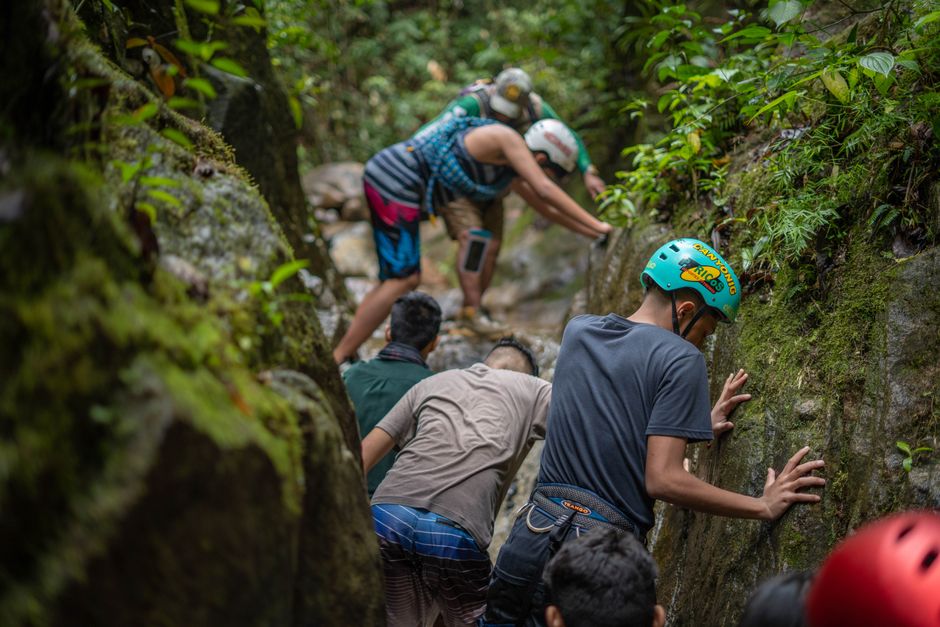
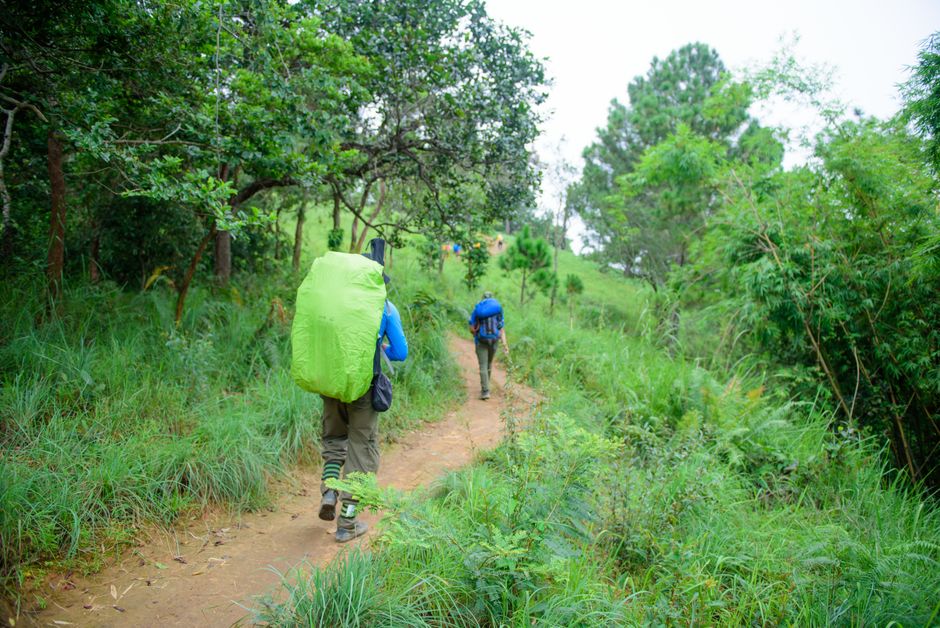
Mountain climbing in Nigeria is a thrilling adventure that offers towering peaks, breathtaking landscapes, and a chance to connect with nature. Whether you're a seasoned climber or a curious beginner, the mountains of Nigeria hold an allure that is hard to resist. In this guide, we'll dive into the best spots for mountain climbing in Nigeria, the gear you'll need, and safety tips to ensure a memorable adventure.
Nigeria's diverse landscape provides a unique backdrop for mountain climbing enthusiasts. From the iconic Obudu Plateau to the enchanting Mambilla Plateau, each location offers a distinct experience, rich in both culture and natural beauty. As you embark on this journey, you'll not only test your physical limits but also immerse yourself in the vibrant traditions and stories that the mountains have witnessed over centuries.
Whether you're scaling the challenging peaks of Chappal Waddi or enjoying the serene beauty of the Zuma Rock, mountain climbing in Nigeria promises an unforgettable experience. Let's explore the essential aspects of planning your climbing adventure in Nigeria, ensuring you make the most of this exhilarating activity.
Top Mountain Climbing Locations in Nigeria
Obudu Plateau
Nestled in the southeastern region of Nigeria, the Obudu Plateau is a climber's paradise. Known for its cool climate and lush greenery, it offers a refreshing escape from the hustle and bustle of city life. The plateau is home to the famous Obudu Mountain Resort, where climbers can rest and rejuvenate.
The trails here cater to various skill levels, making it an ideal spot for both beginners and experienced climbers. As you ascend, you'll be rewarded with panoramic views of the surrounding landscape, a sight worth every effort.
Mambilla Plateau
Located in Taraba State, the Mambilla Plateau is another must-visit destination for mountain climbing enthusiasts. Its highest peak, Mount Gangirwal, stands at over 2,419 meters, offering a challenging yet rewarding climb.
The plateau's unique geographical features, combined with its rich cultural heritage, make it a fascinating destination. The cool climate and high altitude provide a perfect setting for climbers looking to push their limits.
Chappal Waddi
As the highest peak in Nigeria, Chappal Waddi is a climber's dream. Situated on the border with Cameroon, this mountain offers a demanding climb that is best suited for experienced adventurers.
The climb to the summit is steep and requires a good level of fitness, but the views from the top are indescribable. The sense of accomplishment as you stand atop Nigeria's highest point is second to none.
Essential Gear for Mountain Climbing
- Climbing Boots: Invest in sturdy, comfortable boots with good ankle support to tackle rugged terrains.
- Climbing Rope: Essential for safety, especially on steep ascents.
- Weather-appropriate Clothing: Layered clothing to adapt to changing weather conditions.
- First Aid Kit: A compact kit to handle minor injuries or emergencies.
- Hydration Pack: Staying hydrated is crucial when climbing, so carry enough water.
Safety Tips for Mountain Climbers
Plan Your Route
Before embarking on a climb, research and plan your route thoroughly. Familiarize yourself with the terrain, identify potential hazards, and create a timeline for your ascent and descent.
"Proper planning prevents poor performance. A well-researched route can make all the difference."
Travel with a Group
Climbing with a group increases safety, as there is always someone to help in case of an emergency. It also enhances the overall experience through shared memories and camaraderie.
Check Weather Conditions
The weather can change rapidly in mountainous regions. Keep an eye on the forecast and be prepared to postpone your climb if conditions become unfavorable.
Know Your Limits
It's essential to recognize and respect your physical limits. Overexertion can lead to injuries or accidents, so listen to your body and take breaks when needed.
Cultural Insights While Climbing
Mountain climbing in Nigeria isn't just about physical endurance; it's also an opportunity to immerse yourself in local cultures. Many mountains are considered sacred by indigenous communities, and understanding their traditions and stories adds a deeper dimension to your climb.
Engage with Local Guides
Hiring a local guide not only boosts your safety but also enhances your cultural experience. Guides provide insights into the history and legends of the mountains, enriching your adventure.
Respect Local Traditions
As you explore these majestic landscapes, be mindful of local customs and practices. Respecting sacred sites and participating in cultural exchanges can make your journey more meaningful.
Conclusion
Embarking on a mountain climbing adventure in Nigeria is a journey that goes beyond physical challenge. It's about discovering the untouched beauty of Nigeria's landscapes, connecting with diverse cultures, and creating unforgettable memories. With the right preparation, gear, and mindset, mountain climbing can be an immensely rewarding experience. So lace up your boots, gather your gear, and get ready to explore the majestic mountains of Nigeria!