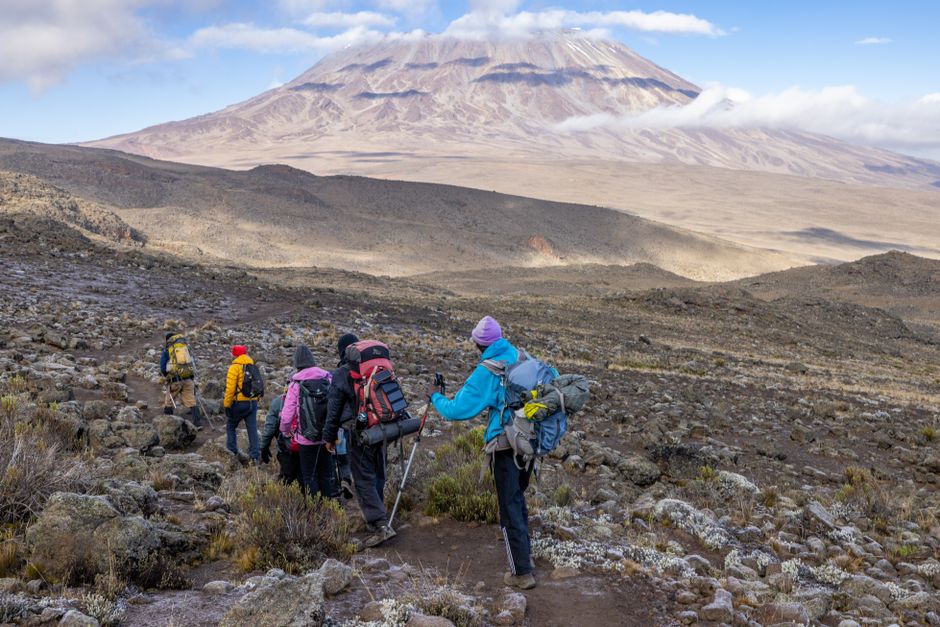
Standing majestically as the highest mountain in Africa, Mount Kilimanjaro has long been a bucket-list destination for adventure seekers around the world. For Nigerians with a taste for thrill, the idea of conquering Kilimanjaro is both daunting and thrilling. As you dream of reaching the summit, you'll need more than just determination; you'll need a practical guide tailored to your unique needs and experiences. This article aims to provide that guidance, offering insights and tips to help you embark on this incredible journey.
Mount Kilimanjaro isn't just a mountain; it's a symbol of endurance, a testament to nature's grandeur, and a challenge that calls out to those who dare. But climbing Kilimanjaro is not without its challenges. From altitude sickness to unpredictable weather, several factors can impact your journey. As you prepare for this adventure, it's important to equip yourself with the right knowledge and gear. Here, we'll explore everything from choosing the best route to packing essentials and understanding the cultural nuances that will enrich your experience.
Whether you're an experienced climber or a first-timer, embarking on a journey to Kilimanjaro requires thorough preparation. This guide, specially curated for Nigerian adventurers, combines practical advice with cultural insights to ensure you have not just a safe climb, but an enriching and unforgettable one.
Choosing the Right Route
Mount Kilimanjaro offers several routes, each varying in length, difficulty, and scenic views. Selecting the right route is crucial to your success rate and overall experience.
The Marangu Route
Known as the "Coca-Cola" route, this is one of the most popular and easiest routes, offering hut accommodations instead of tents. It's perfect for beginners but is often crowded.
The Machame Route
Dubbed the "Whiskey" route for its challenging paths, Machame is longer but offers breathtaking scenery and a higher success rate for climbers due to its acclimatization profile.
The Lemosho Route
This route is less crowded, more scenic, and provides a great acclimatization opportunity. It's recommended for those who want a more relaxed pace and fewer crowds.
- Consider your fitness level and hiking experience.
- Research each route thoroughly before making a decision.
- Consult with experienced trekkers or guides for personalized advice.
Preparing for the Climb
Physical Training
Preparation is key when tackling the heights of Kilimanjaro. Start your training regimen months before your departure date.
- Incorporate cardio workouts like running and cycling into your routine.
- Practice hiking on local trails with a weighted backpack.
- Focus on leg strength and stamina-building exercises.
Essential Gear and Packing
Packing wisely can make your climb more comfortable and safer. Here's what to include in your Kilimanjaro pack:
- Clothing: Layered clothing for warmth and protection against the elements.
- Footwear: Comfortable, high-quality hiking boots that are well broken-in.
- Miscellaneous: Trekking poles, headlamp, water bottles, and a first aid kit.
"The right gear can mean the difference between a successful summit and a challenging descent. Equip yourself wisely and prioritize comfort and safety."
Understanding Altitude Sickness
Altitude sickness is one of the biggest concerns for climbers. Understanding its symptoms and how to prevent it can save your life.
Recognizing Symptoms
Common symptoms include headache, dizziness, and nausea. Knowing when to descend is crucial.
Preventive Measures
- Ascend slowly to allow your body to acclimatize.
- Stay hydrated and avoid alcohol.
- Consider using medication like Diamox as a preventive measure.
The Cultural and Natural Heritage of Kilimanjaro
Beyond the physical challenge, Kilimanjaro offers a rich tapestry of cultural and natural heritage that enhances the climb.
Engaging with Local Culture
The Chagga people, native to the slopes of Kilimanjaro, offer insights into the local way of life. Their stories and hospitality can enrich your adventure.
Flora and Fauna
From lush rainforests to alpine deserts, Kilimanjaro's diverse ecosystems host a variety of wildlife and plant species unique to this region.
Final Thoughts
Climbing Mount Kilimanjaro is not just about reaching the summit; it's about the journey and the personal growth that comes with it. For Nigerian adventurers, this guide serves as a roadmap to success, blending practical advice with the cultural insights needed for a well-rounded experience. Prepare thoroughly, respect the mountain, and immerse yourself in both the physical challenge and the cultural richness Kilimanjaro has to offer. With the right mindset and preparation, the roof of Africa awaits your footprints.