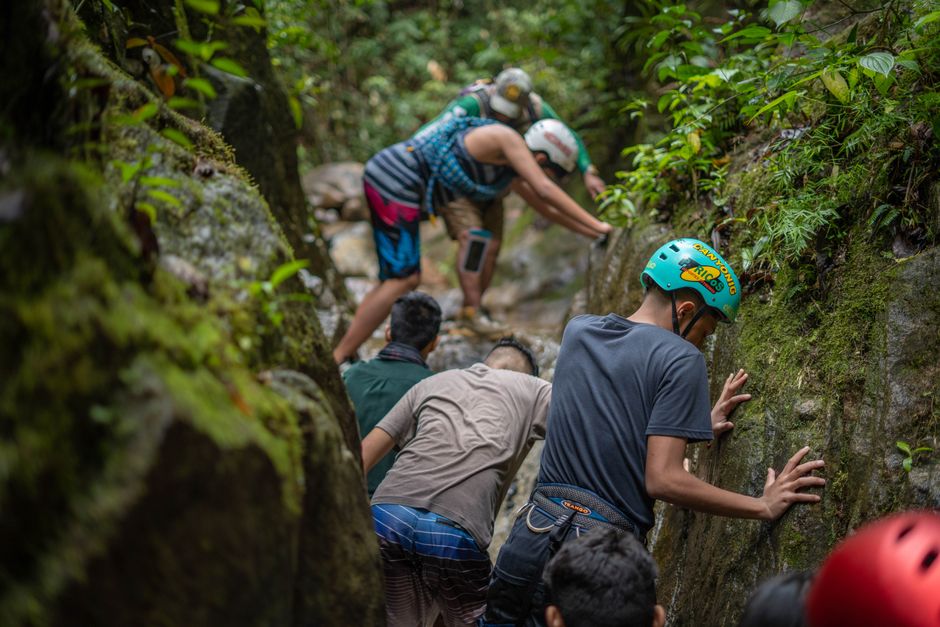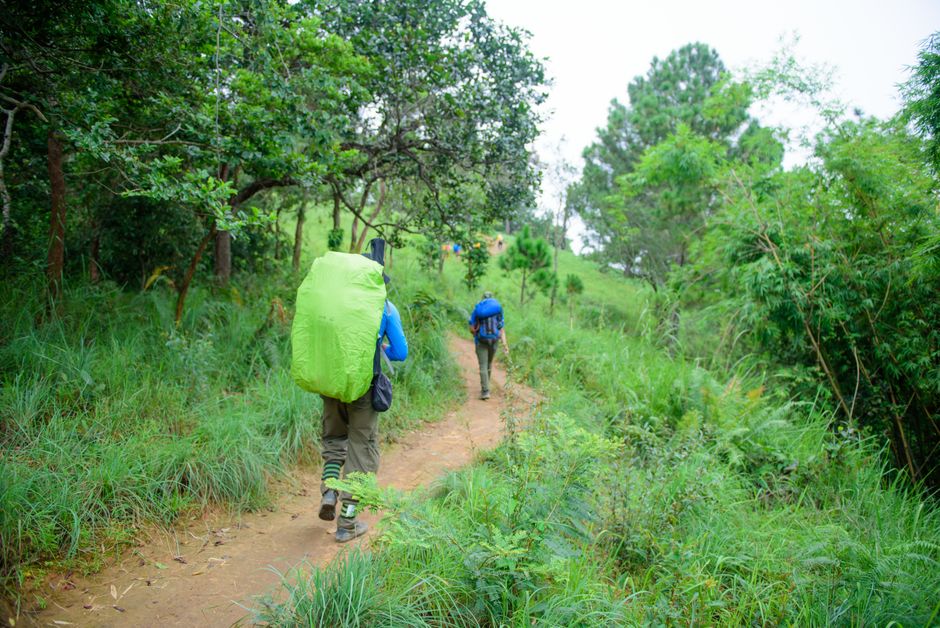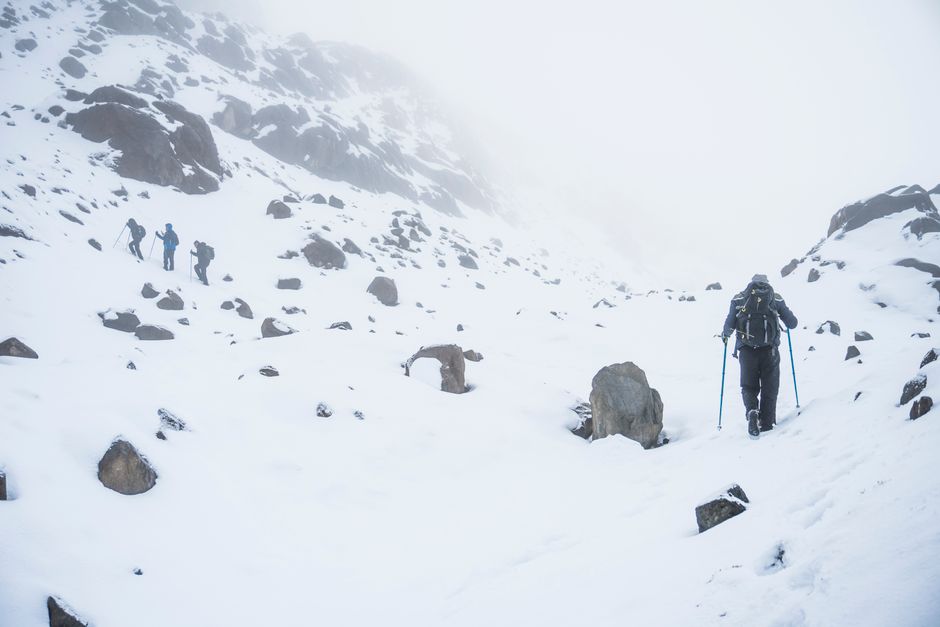
For those drawn to the thrill of reaching new heights, Nigeria offers an often-overlooked gem: Chappal Waddi. As the highest point in Nigeria, Chappal Waddi stands majestically at 2,419 meters in the scenic Gashaka Gumti National Park. Known locally as the 'Mountain of Death,' this peak is a challenge that rewards trekkers with unparalleled views and a deep sense of accomplishment. Whether you're a seasoned hiker or looking to embark on your first major trek, Chappal Waddi promises an adventure that equals the best of Africa's trekking destinations.
While it may not be as famous as Kilimanjaro or Mount Kenya, Chappal Waddi offers a unique experience that feels both intimate and untouched. The journey through lush valleys, vibrant wildlife, and local communities provides trekkers with a rich tapestry of natural and cultural beauty. This guide aims to equip you with everything you need to know before embarking on this extraordinary adventure, ensuring you're prepared to conquer Nigeria's highest peak safely and successfully.
From logistical planning to cultural etiquette, our comprehensive guide covers every aspect of trekking Chappal Waddi. We'll delve into the best time to visit, necessary gear, and essential techniques for high-altitude trekking. Let's get started on planning your Nigerian adventure!
Understanding Chappal Waddi
Location and Geography
Chappal Waddi is located in the southeastern part of Nigeria, within the expansive Gashaka Gumti National Park. The park spans across Taraba and Adamawa states, offering a diverse range of ecosystems, from savannahs to rainforests. The peak itself is part of the Mambilla Plateau, boasting a unique landscape unlike any other in Nigeria.
Historical and Cultural Significance
Chappal Waddi is not just a geographical landmark but a cultural one too. The surrounding areas are home to various indigenous tribes, each with their traditions and stories linked to the mountain. Understanding these cultural nuances adds depth to your trekking experience, making it not just a physical journey but a historical one as well.
The name 'Chappal Waddi' translates to 'Mountain of Death' due to the treacherous nature of the climb, but it also symbolizes the resilience and fortitude required to reach its summit.
Planning Your Trek
Best Time to Visit
The ideal time to trek Chappal Waddi is during the dry season, from November to April. During this period, the weather is more predictable, and the paths are less muddy, reducing the risk of slips and falls.
Essential Permits and Guides
Before beginning your trek, ensure you have the necessary permits, which can be obtained from the park's administration office. Hiring a local guide is also highly recommended, as their expertise in the terrain and knowledge of local customs can enhance your trekking experience.
- Permits: Obtain from Gashaka Gumti National Park office.
- Local Guides: Hire from nearby communities for a safer trek.
Packing List
Proper packing is crucial for a successful trek. Here’s a list of essentials:
- Footwear: Durable hiking boots with good grip.
- Clothing: Layered clothing to adjust to varying temperatures.
- Equipment: Trekking poles, map, compass, and GPS.
- Supplies: High-energy snacks, water purification tablets, and first-aid kit.
The Trekking Experience
Trail Options
Two main routes lead to the summit: the Mambilla Plateau route and the Gashaka route. Each offers unique scenery and challenges, so choose based on your experience level and interest in the landscapes.
Wildlife and Flora
The trek offers the chance to see an array of wildlife, including elephants, lions, and various bird species. The flora is equally impressive, with unique plant species found only in this region.
Safety Tips
- Always trek with a group and guide for safety.
- Stay hydrated and take regular breaks to acclimatize.
- Watch out for wildlife and keep a safe distance.
Engaging with Local Communities
Respecting Cultural Norms
As you pass through villages, it's crucial to respect local customs. Greet locals in their native language when possible, and always ask for permission before taking photos.
Engaging respectfully with local communities enriches your trek, allowing for cultural exchanges that are as memorable as the climb itself.
Supporting Local Economies
Consider staying at local guesthouses, buying handcrafted souvenirs, and using local transportation to support the economy and ensure your travel has a positive impact.
Conclusion
Trekking Chappal Waddi is more than just reaching the top of a mountain; it's a journey through Nigeria's rich heritage and breathtaking nature. With the right preparation and respect for the land and its people, you can enjoy a safe and rewarding adventure, creating stories and memories to last a lifetime. So pack your bags, lace up your boots, and get ready to tackle the 'Mountain of Death' — you'll return not only with beautiful views but with a new perspective on Nigeria's magnificent landscapes.