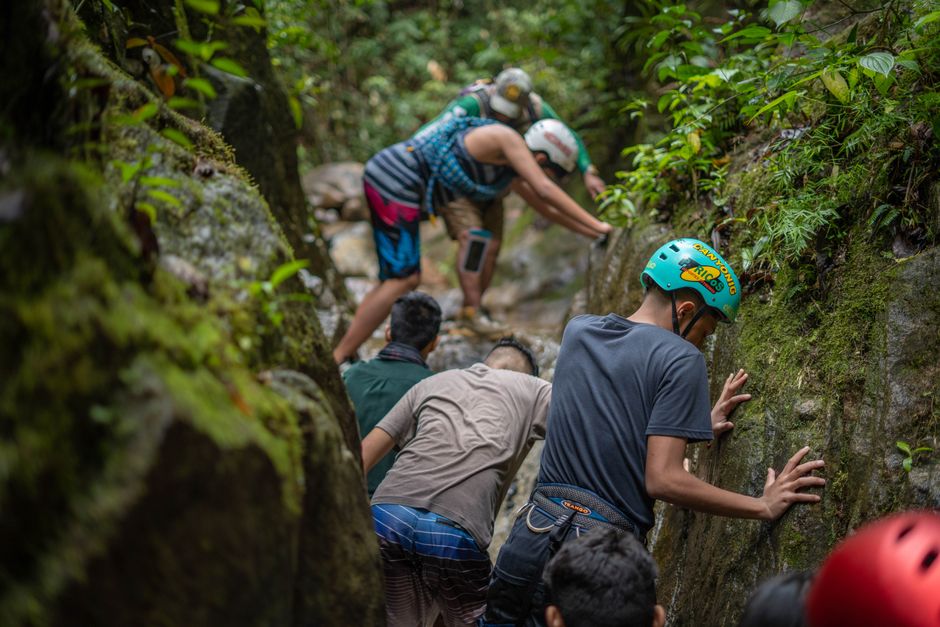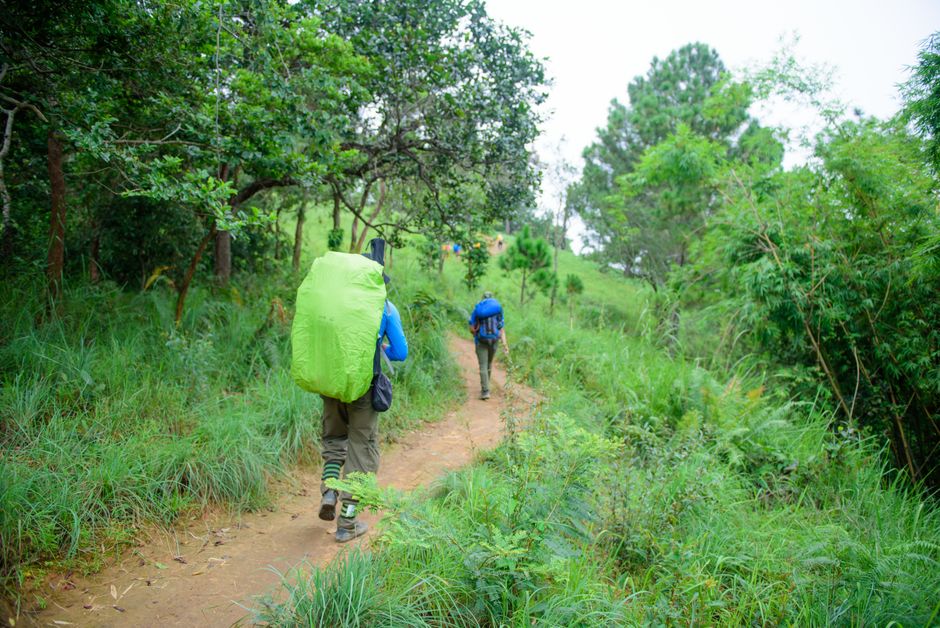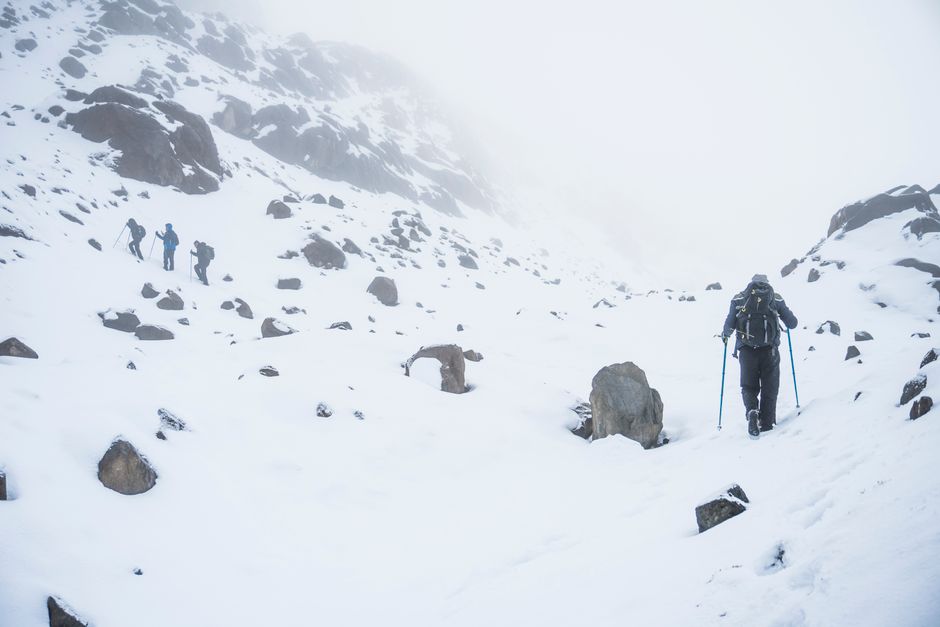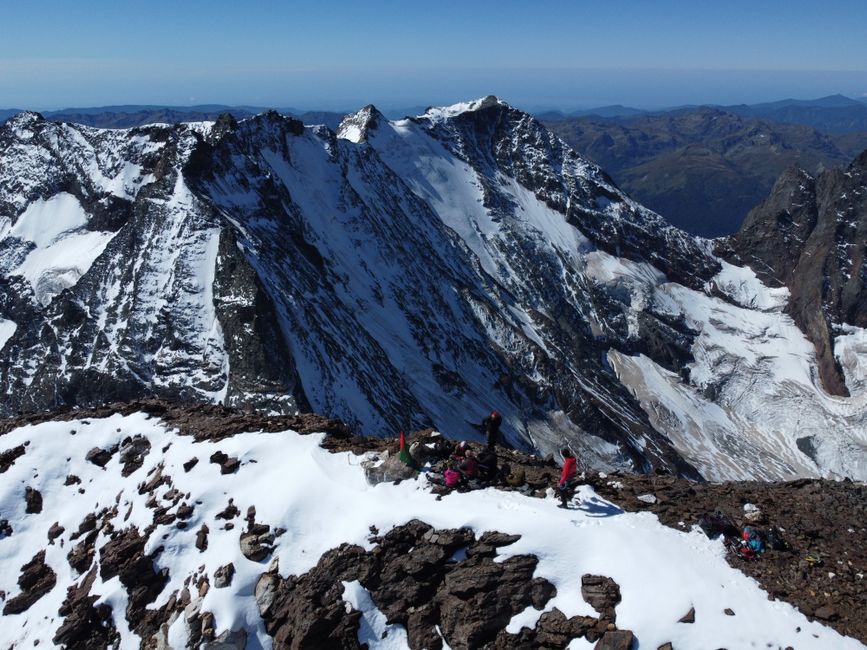
Mountain climbing is not just a sport; it's a journey of self-discovery, resilience, and breathtaking beauty. Nigeria, often celebrated for its vibrant culture and bustling cities, is home to some of Africa's most awe-inspiring landscapes. From the lush hills of Obudu to the rocky crags of the Mandara Mountains, the country offers an enticing playground for adventurers seeking to conquer new heights.
For those with a thirst for adventure, Nigeria's mountains provide the perfect backdrop for testing your physical limits while soaking in panoramic views that stretch to the horizon. But before you lace up your boots and grab your gear, it's crucial to arm yourself with knowledge and preparation. In this guide, we'll explore the essentials of mountain climbing in Nigeria, offering tips and insights to enhance your experience.
Whether you're a seasoned climber or a curious beginner, understanding the unique challenges and opportunities of Nigeria's peaks can transform your expedition into an unforgettable adventure.
Understanding Nigeria's Mountain Landscapes
The Diversity of Nigerian Mountains
Nigeria's topography is as diverse as its people. The country boasts a range of mountain types, from volcanic formations to ancient granite outcrops. The Jos Plateau, known for its stunning rock formations and mild climate, is a favorite among climbers seeking a moderate challenge.
- Chappal Waddi: This is Nigeria's highest peak, located on the Mambilla Plateau in Taraba State. At 2,419 meters, it offers a challenging climb and rewarding views.
- Obudu Mountain: Part of the Cross River State, Obudu offers an easier climb with the added attraction of the Obudu Cattle Ranch, perfect for a scenic retreat after a day of climbing.
- Mambilla Plateau: Known for its beauty and high altitude, it's a favored spot for tourists and climbers alike.
Climate and Weather Considerations
Weather plays a crucial role in mountain climbing. Nigeria's climate varies significantly between regions, and understanding these variations can aid in planning your climb.
During the dry season, typically from November to March, conditions are more favorable for climbing, with less rainfall and clearer skies. However, higher altitudes can still experience sudden weather changes, so it's best to be prepared for all eventualities.
Preparing for Your Mountain Climb
Essential Gear and Equipment
Proper equipment is vital for a successful climbing expedition. Apart from the standard hiking boots and weather-appropriate clothing, you should consider the following:
- Climbing Ropes: Essential for more challenging ascents, especially on rocky terrains.
- Navigation Tools: A reliable map and a GPS device can prevent you from getting lost in unfamiliar terrain.
- First Aid Kit: Accidents can happen, and having a basic first aid kit ensures you're prepared for minor injuries.
Physical and Mental Preparation
Mountain climbing demands more than just physical strength; mental endurance is equally important. Regular training, including cardiovascular exercises and strength training, can prepare your body for the rigors of climbing. However, mental preparation—such as setting realistic goals and practicing stress management techniques—is just as crucial.
"The greatest glory in living lies not in never falling, but in rising every time we fall." — Nelson Mandela
Safety Measures and Considerations
Understanding Potential Risks
While mountain climbing is exhilarating, it's not without risks. From sudden weather changes to wildlife encounters, potential dangers require careful consideration and planning.
Always share your itinerary with someone not on the climb and check in at local ranger stations when available. This ensures that someone is aware of your whereabouts in case of an emergency.
Traveling with a Guide
For those unfamiliar with Nigeria's mountains, hiring an experienced guide is invaluable. Local guides are familiar with the terrain, weather patterns, and potential hazards, providing insight and assurance as you navigate the peaks.
Experiencing the Local Culture
Engaging with Local Communities
Mountain climbing in Nigeria is not just about the climb; it’s also about the vibrant cultures and communities you'll encounter along the way. Many mountain regions are home to indigenous tribes with rich traditions and warm hospitality.
Taking the time to engage with local communities can enrich your climbing experience, offering a deeper understanding of Nigeria's cultural landscape. You might even be treated to a local meal or a cultural dance performance, adding a unique dimension to your journey.
Supporting Eco-Tourism
Eco-tourism is vital for the conservation of Nigeria's natural landscapes. As a responsible climber, ensure that your activities support sustainable practices. This includes respecting local wildlife, minimizing waste, and choosing eco-friendly tour operators.
"Take nothing but pictures, leave nothing but footprints, kill nothing but time." — Motto for eco-conscious travelers
Conclusion
Mountain climbing in Nigeria offers an unparalleled blend of adventure, natural beauty, and cultural richness. Whether you're tackling Nigeria's highest peak or enjoying a leisurely climb on the Jos Plateau, preparation and respect for the environment are key to a rewarding experience.
By embracing the challenges and opportunities of Nigeria's mountains, you open yourself to a journey of discovery and personal growth. So, pack your bags, prepare your gear, and set your sights on the majestic peaks of Nigeria. The mountains are calling, and they're waiting to reveal their secrets to those bold enough to climb.