For the adventurers at heart, mountain climbing offers an unparalleled thrill. The prospect of reaching the summit, with the world sprawling beneath you, is both daunting and exhilarating. In Nigeria, blessed with diverse landscapes, there lies a treasure trove of climbing spots that cater to both novices and seasoned climbers. This guide will navigate you through the enchanting world of mountain climbing in Nigeria, ensuring you're well-prepared for your next ascent.
Nigeria may not be widely known for its mountains, but the country offers several exciting opportunities for climbers. From the famous Chappal Waddi, the highest point in Nigeria, to the lesser-known but equally breathtaking hills scattered across the nation, there's a peak for every climber. Whether you're a local or a traveler looking to explore Nigeria's natural beauty, this guide will provide you with everything you need to conquer these majestic heights.
Understanding Mountain Climbing in Nigeria
The Peaks Worth Climbing
Nigeria's landscape is dotted with numerous peaks, each offering unique challenges and breathtaking views. Some of the most notable include:
- Chappal Waddi: Known as the 'Mountain of Death' in the local dialect, it stands at 2,419 meters, making it the tallest in Nigeria.
- Obudu Plateau: Located in Cross River State, this plateau is famous for its rolling hills and cooler climate.
- Shere Hills: Near Jos, these hills provide excellent climbing terrain with panoramic views.
Preparing for Your Climb
Preparation is key when it comes to mountain climbing. It goes beyond just physical readiness. Here's how you can prepare:
- Fitness Training: Engage in cardio exercises and strength training to build endurance.
- Research: Study the specific mountain's terrain and weather conditions.
- Gear Up: Ensure you have all necessary climbing gear, including boots, ropes, and helmets.
"Failing to prepare is preparing to fail. Equip yourself with the right knowledge and tools before you embark on your mountain adventure."
Essential Climbing Techniques
Basic Techniques for Beginners
If you're new to climbing, start by mastering these basic techniques:
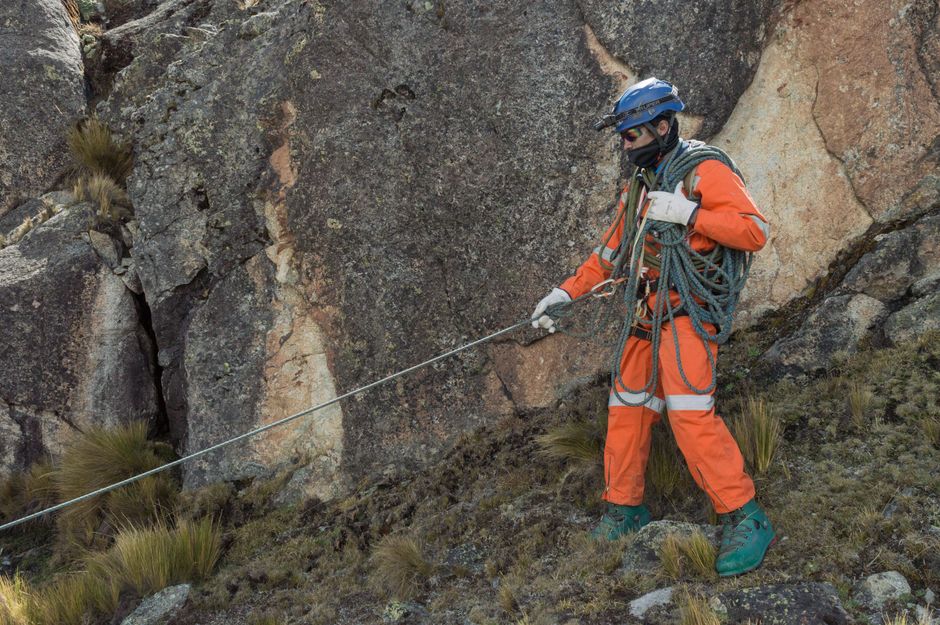
- Belaying: Learn this important safety technique to control your partner's fall.
- Rappelling: Practice descending a climb using ropes in a controlled manner.
Advanced Techniques for Experienced Climbers
Seasoned climbers looking to tackle more challenging routes should focus on:
- Lead Climbing: This involves climbing first with no pre-fixed anchor points.
- Trad Climbing: Develop skills to place your own protection as you climb.
Safety First: Precautions and Tips
Weather Conditions
Nigeria's weather can be unpredictable, especially in mountainous areas. Always check the forecast and plan accordingly.
Wildlife Awareness
Some climbing areas are home to wildlife. Be aware of your surroundings and respect the natural habitat.
"Always prioritize safety over ambition. No summit is worth risking your life."
Local Climbing Culture
Connecting with Local Climbers
Join local climbing groups or forums to connect with fellow climbers who can offer insights and companionship.
Respecting Cultural Norms
Many mountains have cultural or spiritual significance to local communities. Always climb with respect for these beliefs.
Conclusion
Mountain climbing in Nigeria offers a unique blend of adventure, culture, and natural beauty. With the right preparation, respect for local customs, and a focus on safety, you can enjoy an unforgettable experience scaling these majestic peaks. Whether you're seeking the thrill of the climb or the serenity of nature, Nigeria's mountains promise a remarkable journey.