Nigeria might not be the first destination that comes to mind when you think of mountain climbing, but it is home to some extraordinary peaks and challenging terrains. For the adventurous Nigerian spirit, mountain climbing offers not just a physical challenge but an invigorating experience that combines nature, endurance, and personal triumph. In this comprehensive guide, we'll cover everything you need to know about mountain climbing in Nigeria, from essential gear to the best climbing spots, ensuring you have a memorable and safe adventure.
Whether you're a seasoned climber or a novice looking to venture into the world of mountain climbing, the landscapes of Nigeria offer a unique opportunity to explore untamed beauty. From the famous Chappal Waddi to the scenic Obudu Plateaus, these destinations promise awe-inspiring views and unforgettable experiences. But before you set out on this adventure, it's crucial to equip yourself with the right knowledge and tools.
Join us as we delve into the essentials of mountain climbing in Nigeria, providing you with a step-by-step guide to prepare for your journey, tackle the challenges of the climb, and enjoy the breathtaking vistas from the top of the world.
Getting Started: Essential Gear and Equipment
Climbing Boots and Clothing
To ensure a safe and comfortable climb, investing in a good pair of climbing boots is non-negotiable. Look for boots that provide firm ankle support and have a waterproof membrane to protect your feet from wet conditions. In Nigeria's diverse climates, layering is key. Opt for moisture-wicking base layers, insulating mid-layers, and a waterproof outer layer to shield you from unexpected weather changes.
Safety Equipment
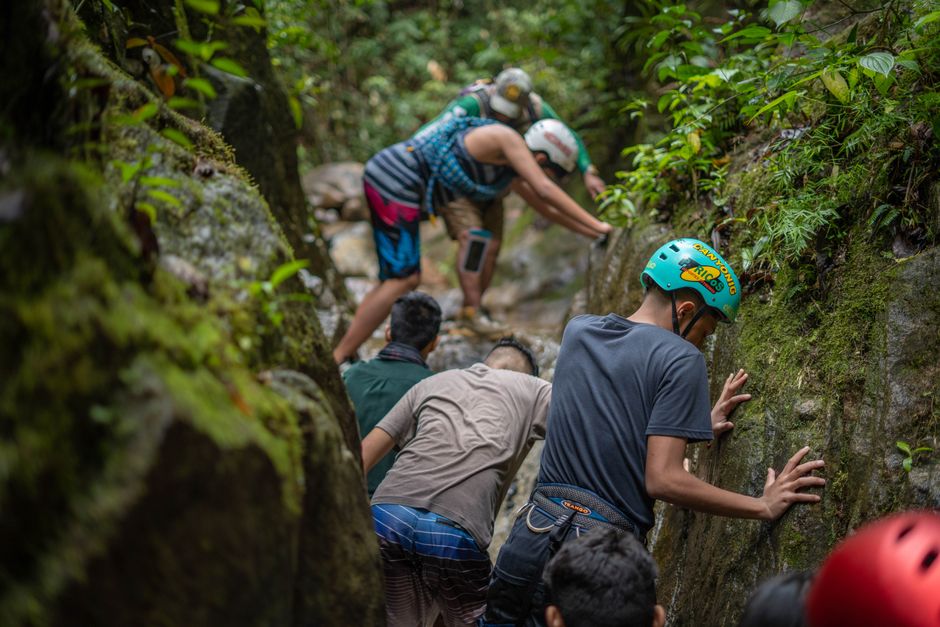
Safety should always be your top priority. Essential safety gear includes a helmet, harness, and a reliable climbing rope. These items are crucial for preventing injuries from falls and navigating difficult terrain. Additionally, consider carrying a first-aid kit, a headlamp for night trekking, and a whistle for emergency signaling.
- Helmet
- Harness
- Climbing rope
- First-aid kit
- Headlamp
- Whistle
Navigation Tools
In areas where trails might not be clearly marked, a reliable GPS device or map can be a lifesaver. Learning to read topographic maps and understanding how to use a compass can also be invaluable skills to have on any mountain climbing expedition.
"Preparation is key. Equip yourself with the best gear and knowledge to face the mountains with confidence."
Top Mountain Climbing Destinations in Nigeria
Chappal Waddi
Chappal Waddi, also known as the "Mountain of Death," is the highest point in Nigeria, standing at 2,419 meters. Located in the Gashaka-Gumti National Park, it offers climbers a challenging yet rewarding experience. The trek to the summit takes you through lush forests and offers incredible wildlife sightings.
Obudu Plateaus
The Obudu Plateaus are not only famous for their serene landscapes but also for their rich biodiversity. The climb is relatively easy, making it ideal for beginners. Once at the top, climbers are rewarded with panoramic views of the surrounding valleys and farmlands.
Olumo Rock
Located in Abeokuta, Olumo Rock is a cultural and historical symbol. Though not as high as other mountains, its strategic location and fascinating history make it a popular climbing spot. The rock formations and caves add an element of mystery and adventure to the climb.
Safety Measures and Techniques
Understanding Weather Patterns
Before you embark on your climb, always check the weather forecasts. Weather patterns can change rapidly in mountainous regions, and being caught in a storm can be life-threatening. Plan your climbs during the dry seasons in Nigeria, typically from November to March.
Climbing Techniques
Familiarize yourself with basic climbing techniques such as the "rest step" and "French technique" for efficient ascents. Consider taking a climbing course if you're new to the sport or want to hone your skills. Practicing these techniques will help conserve energy and improve your overall climbing performance.
"Never underestimate the mountain. Respect its power and unpredictability by preparing for the worst while aiming for the best."
Staying Healthy and Hydrated
Nutritional Needs
A balanced diet rich in carbohydrates, proteins, and fats is essential for maintaining energy levels during your climb. Foods like trail mix, energy bars, and jerky are perfect for snacking on the go. Remember to pack lightweight, non-perishable food that provides sustained energy.
Hydration
Staying hydrated is crucial, especially in the hot climates of Nigeria. Carry at least two liters of water and consider using water purification tablets or filters to refill from natural sources. Monitor your water intake and adjust based on exertion and weather conditions.
- Trail mix
- Energy bars
- Jerky
- Water purification tablets
- Two liters of water
Conclusion
Mountain climbing in Nigeria offers a unique blend of adventure, challenge, and cultural exploration. With stunning landscapes and rich biodiversity, each climb presents an opportunity to connect with nature and oneself. By following these guidelines and preparing adequately, your mountain climbing journey in Nigeria will not only be safe but also incredibly rewarding. Remember, every peak conquered is a testament to your resilience and love for adventure.
So gather your gear, plan your route, and embark on a journey that will elevate your spirit and invigorate your soul. Happy climbing!