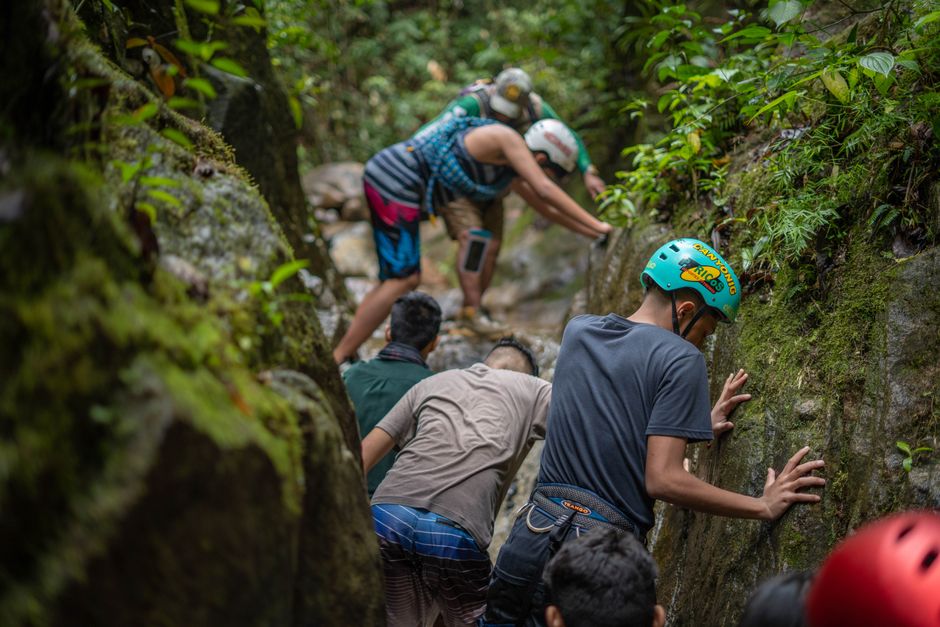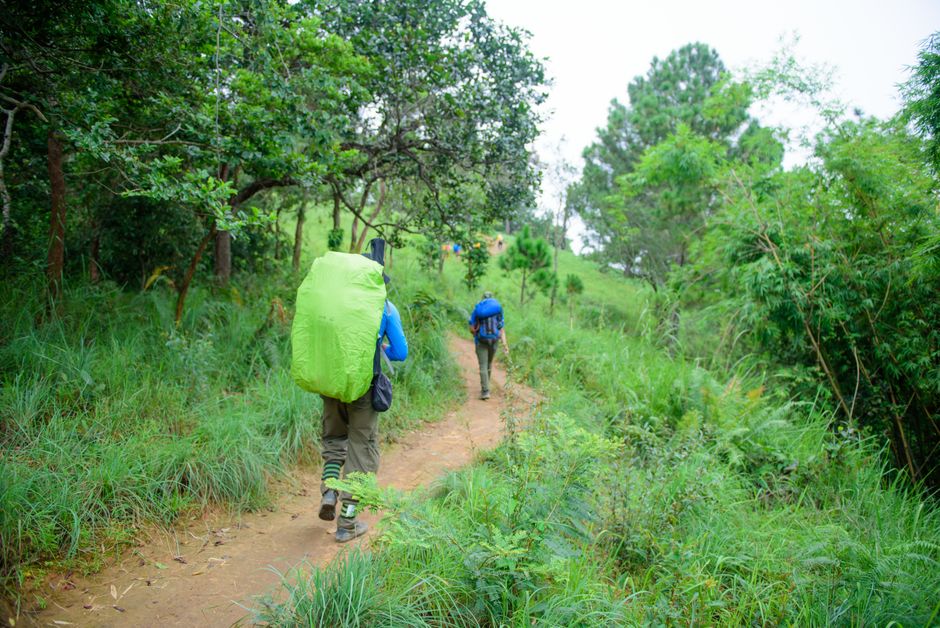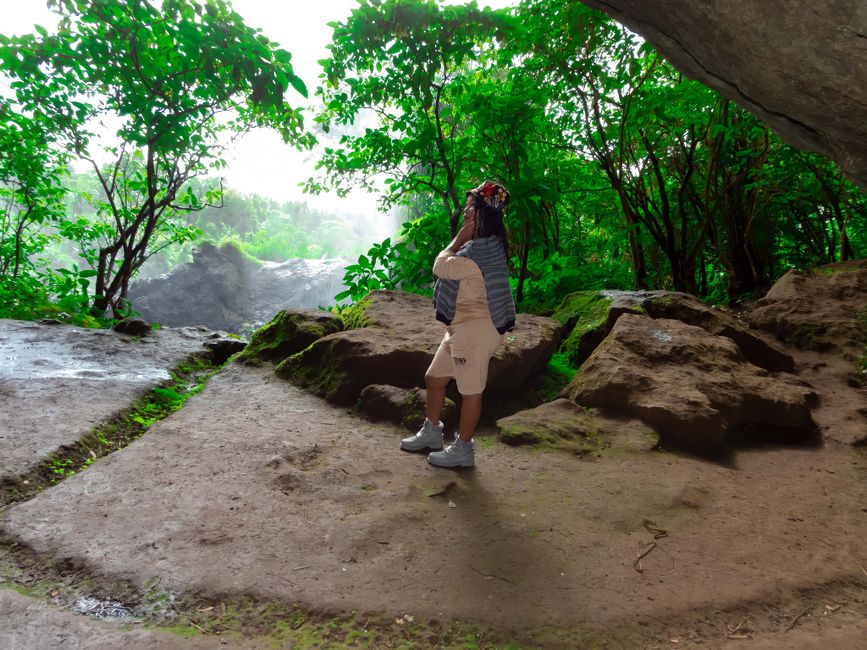
If you're an adventure enthusiast or simply someone who loves the great outdoors, Nigeria offers an untapped treasure trove of hiking opportunities that promise breathtaking vistas and unforgettable experiences. Whether you're a seasoned hiker or a beginner looking to dip your toes into the world of trekking, Nigeria's diverse landscapes provide trails that cater to all levels of expertise. In this guide, we'll take you through some of the hidden gems of Nigeria's hiking trails, providing you with insider tips, safety advice, and everything you need to embark on your next adventure.
Nigeria's topographical diversity means you can find yourself trekking through lush rainforests, ascending majestic mountains, or wandering alongside serene lakes—all within a single journey. Imagine standing atop a hill, the cool breeze on your face, gazing out over a panorama that stretches as far as the eye can see. It's not just the physical challenge that makes hiking rewarding; it's the connection to nature, the serenity, and the sense of accomplishment that come with each step.
But before you lace up your boots and head for the hills, it's essential to be well-prepared. Here, we'll delve into the best trails Nigeria has to offer, the gear you'll need, the best times to hike, and crucial safety tips to ensure your adventure is both enjoyable and safe.
Top Hiking Trails in Nigeria
1. Idanre Hills, Ondo State
Located in Ondo State, Idanre Hills is a UNESCO World Heritage site known for its stunning views and historical significance. The hills rise sharply and offer an array of paths that wind through ancient villages and past striking rock formations.
- Trail Length: Approximately 5 kilometers
- Difficulty Level: Moderate
- Highlights: Ancient village sites, breathtaking views, rock formations
2. Obudu Mountain Resort, Cross River State
Obudu Mountain Resort is one of Nigeria's most famous hiking destinations. Nestled in the Sankwala Mountains, the resort offers trails that meander through lush vegetation and provide spectacular views of the surrounding landscape.
- Trail Length: Varies from 7 to 10 kilometers
- Difficulty Level: Easy to moderate
- Highlights: Cable car rides, diverse fauna and flora
Essential Gear for Hiking in Nigeria
Clothing and Footwear
Choosing the right clothing and footwear is crucial for a comfortable hike. Opt for lightweight, moisture-wicking materials and sturdy hiking boots that provide ankle support.
- Hiking Boots: Ensure they are well-fitted and broken in
- Clothing: Lightweight, breathable fabrics
- Accessories: Hat, sunglasses, and a rain jacket
Other Necessary Equipment
Aside from clothing, having the right equipment can make or break your hiking experience. Here are some essentials you shouldn't leave behind:
- Backpack: A durable, comfortable backpack
- Water Bottle: Hydration is key; consider a hydration pack
- Navigation Tools: Map, compass, or GPS device
Tip: Always pack more water than you think you'll need. Dehydration can ruin an otherwise perfect day.
Safety Tips for Hiking in Nigeria
Plan Your Route
Before heading out, it's vital to plan your route thoroughly. Research your chosen trail, check weather conditions, and inform someone of your plans for the day.
- Trail Information: Know the trail's difficulty and length
- Weather: Check forecasts and prepare accordingly
- Communication: Let someone know your hiking plans
Wildlife Awareness
Nigeria's diverse ecosystems are home to various wildlife species. While most wildlife is harmless, it's essential to be aware and respectful of the animals you might encounter.
- Stay Calm: If you encounter wildlife, remain calm and give them space
- No Feeding: Never feed animals, as it can change their natural behavior
- First Aid: Always carry a basic first aid kit for emergencies
Best Times for Hiking in Nigeria
Dry Season Adventures
The dry season, typically from November to March, is the best time to hike in Nigeria. During this period, trails are more accessible, and the weather is generally favorable for outdoor activities.
- Pros: Clear skies, less rainfall, cooler temperatures
- Cons: Trails might be busier during this popular season
Wet Season Considerations
While the wet season can present challenges, such as muddy trails and unpredictable weather, it also brings the landscape to life with lush greenery and vibrant flora.
- Pros: Fewer crowds, stunning natural beauty
- Cons: Slippery trails, frequent rain showers
Note: Always check trail conditions before embarking on a wet season hike to ensure safety.
Final Thoughts
Hiking in Nigeria offers an unparalleled opportunity to explore the country's natural beauty and rich cultural heritage. From the majestic Idanre Hills to the serene landscapes of Obudu Mountain Resort, each trail provides a unique experience that promises both challenge and reward. By preparing adequately, respecting the natural environment, and embracing the adventure, you can create memories that will last a lifetime. So, gather your gear, plan your route, and set off on an unforgettable journey through Nigeria's hidden hiking trails.
Remember, the journey is just as important as the destination. Embrace each step, savor each view, and enjoy the thrill of discovery within Nigeria's stunning landscapes.