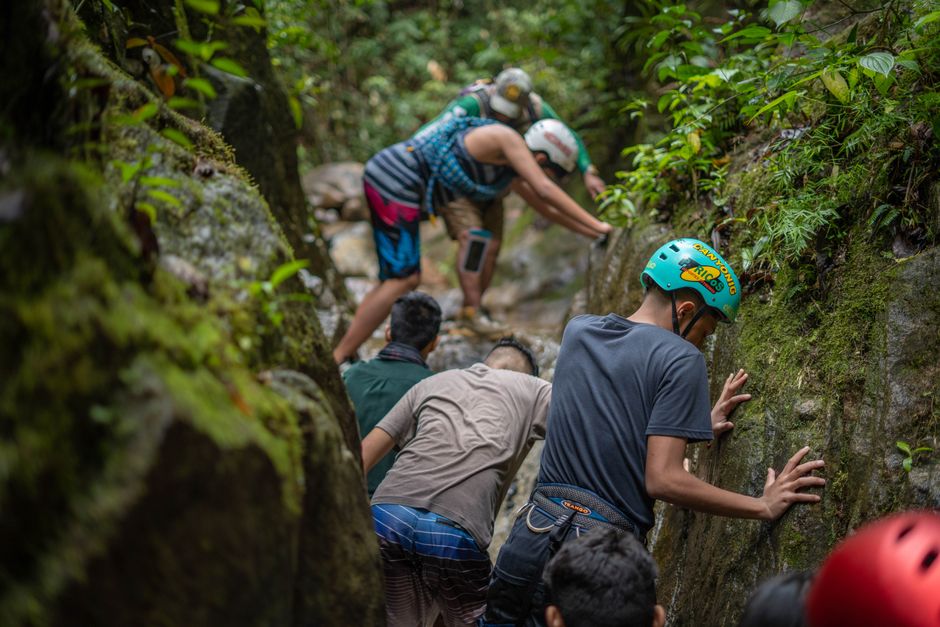
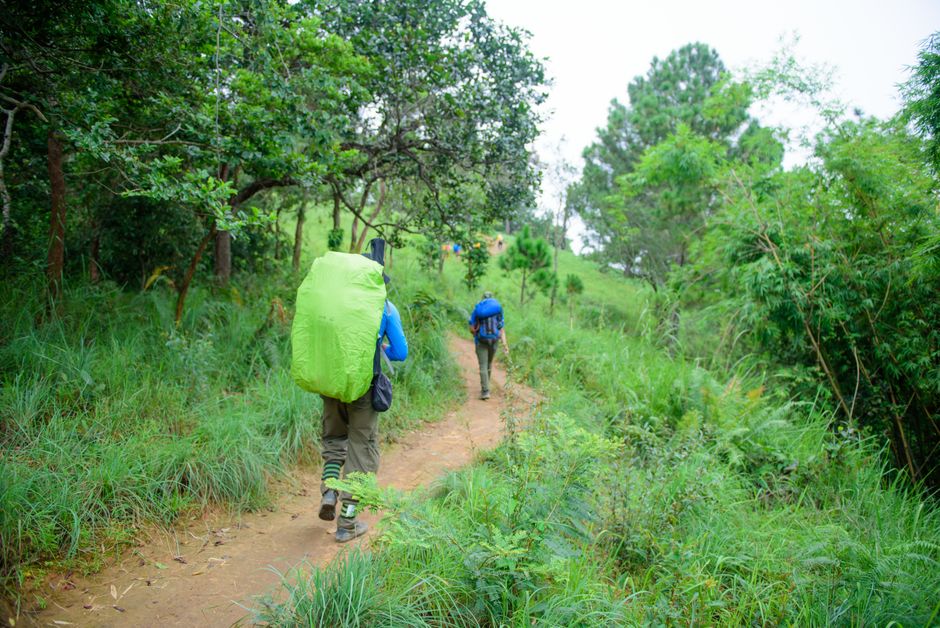
For many Nigerians, the idea of adventure is synonymous with hiking and trekking. The feeling of ascending to the peak of a hill while being enveloped by the lush greenery of Nigeria’s landscape can be both exhilarating and peaceful. Nigeria, with its diverse topography, offers remarkable trails that promise breathtaking views and invigorating challenges. Whether you're a seasoned trekker or a curious beginner, venturing into Nigeria's hiking trails is an experience like no other.
As the sun rises over the valleys, casting golden hues over the landscape, the trails beckon to those in search of adventure and discovery. From the towering peaks of the Chappal Waddi to the serene paths of the Idanre Hills, Nigeria offers something for everyone. In this guide, we'll explore some of the best hiking trails in the country, provide tips for preparation, and discuss the benefits of hiking for both body and soul.
So, lace up your hiking boots, grab your backpack, and let's dive into the world of hiking in Nigeria. This journey will not only challenge your physical capabilities but also heal your spirit, offering an escape from the hustle and bustle of everyday life.
Top Hiking Trails in Nigeria
Chappal Waddi
Known as the 'Mountain of Death', Chappal Waddi is the highest point in Nigeria, located in Taraba State. Standing at an impressive 2,419 meters, this mountain is not for the faint-hearted. Requiring a high level of physical fitness and some technical climbing skills, Chappal Waddi offers a rewarding challenge for experienced hikers.
Idanre Hills
In Ondo State lies the stunning Idanre Hills, a UNESCO World Heritage site. These hills offer a variety of trails that cater to both beginner and advanced hikers. The climb includes 660 steps leading to an ancient settlement, providing a mix of history, adventure, and breathtaking views.
Olumo Rock
Located in Abeokuta, Ogun State, Olumo Rock is a cultural and historical landmark. It's an easier trek compared to Chappal Waddi, making it an ideal spot for beginners. The rock offers an insight into the histories of the Egba people, with its natural caves and shrines.
- Best time to visit: November to February
- Essential gear: Hiking boots, water, snacks, sun protection
- Safety tips: Always hike with a partner or guide
Preparation for a Hike
Physical Fitness
Before embarking on any hike, assess your fitness level. Start with regular walking or jogging sessions to build stamina. Consider incorporating strength training exercises targeting your legs and core to handle the elevation changes you’ll encounter on the trails.
Packing Essentials
Packing correctly can make or break your hiking experience. Layered clothing, adequate hydration, and a good pair of hiking boots are non-negotiables. A first-aid kit, navigation tools, and a map of the trail are also crucial for safety.
"Proper preparation prevents poor performance on the trail. Always double-check your gear before setting out."
Understanding the weather patterns of the area you’re hiking in is also essential to ensure you’re prepared for any sudden changes.
Benefits of Hiking
Physical Health
Hiking is an excellent cardiovascular workout that helps build muscle, improve balance, and boost bone density. The diverse terrains of Nigeria’s hiking trails provide a full-body workout that is as effective as it is enjoyable.
Mental Health
Spending time in nature is known to reduce stress, anxiety, and depression. The serenity of the trails offers an opportunity to unplug from technology and reconnect with oneself, promoting a sense of peace and mental clarity.
Social Connection
Hiking can be a social activity, offering a chance to bond with friends or meet new people who share your love for adventure. Joining hiking groups or clubs can enhance the experience, providing support and motivation.
Safety Considerations
Trail Etiquette
Respect the environment and fellow hikers by sticking to marked paths and cleaning up after yourself. Avoid disturbing wildlife and be mindful of your noise levels to maintain the natural tranquility of the trails.
Emergency Preparedness
Always inform someone about your hiking plans, including your expected return time. Carrying a whistle, flashlight, and extra food and water can be lifesaving in case of an emergency.
"Safety first: Never underestimate a trail, and always prioritize your wellbeing over reaching the summit."
Conclusion
Hiking in Nigeria is more than just a physical activity; it's an exploration of the rich tapestry of nature and culture that the country offers. Whether you’re climbing the rugged peaks of Chappal Waddi or exploring the historical paths of Idanre Hills, the trails provide an escape into a world of adventure and tranquility.
With the right preparation and mindset, hiking can become a lifelong passion that enriches your life in countless ways. So, step outside, embrace the challenge, and let the trails of Nigeria guide you on a journey of discovery and self-discovery.