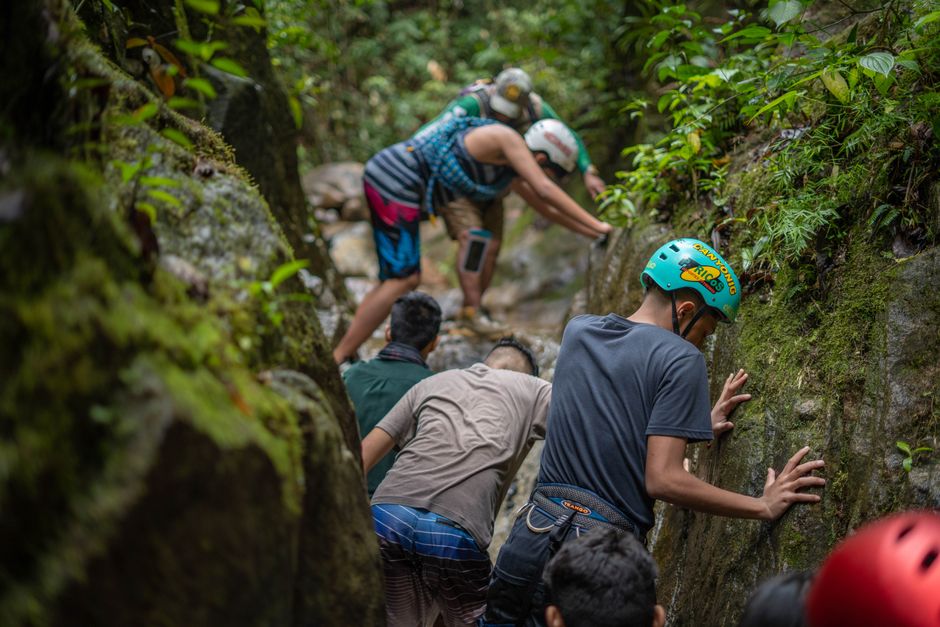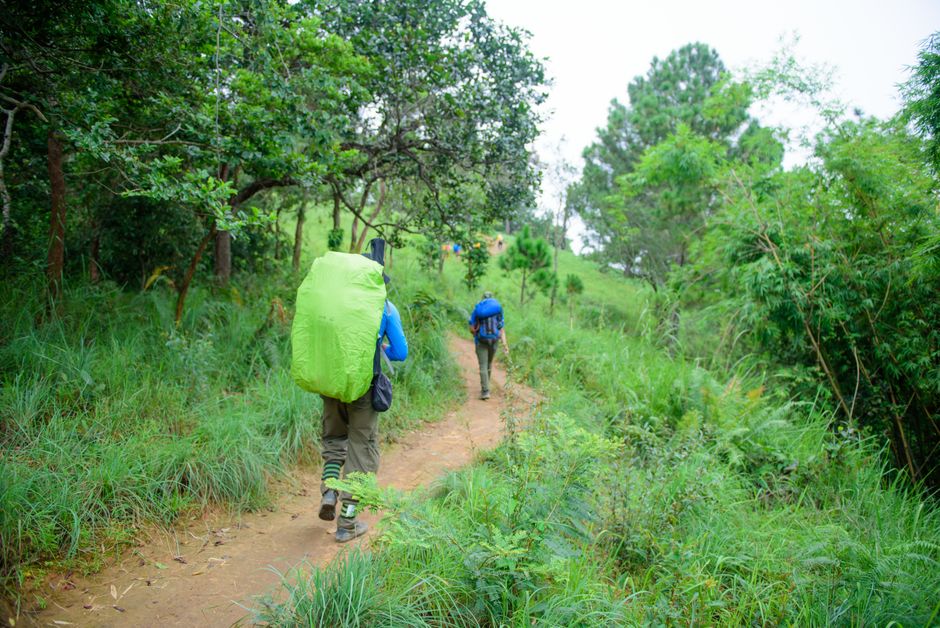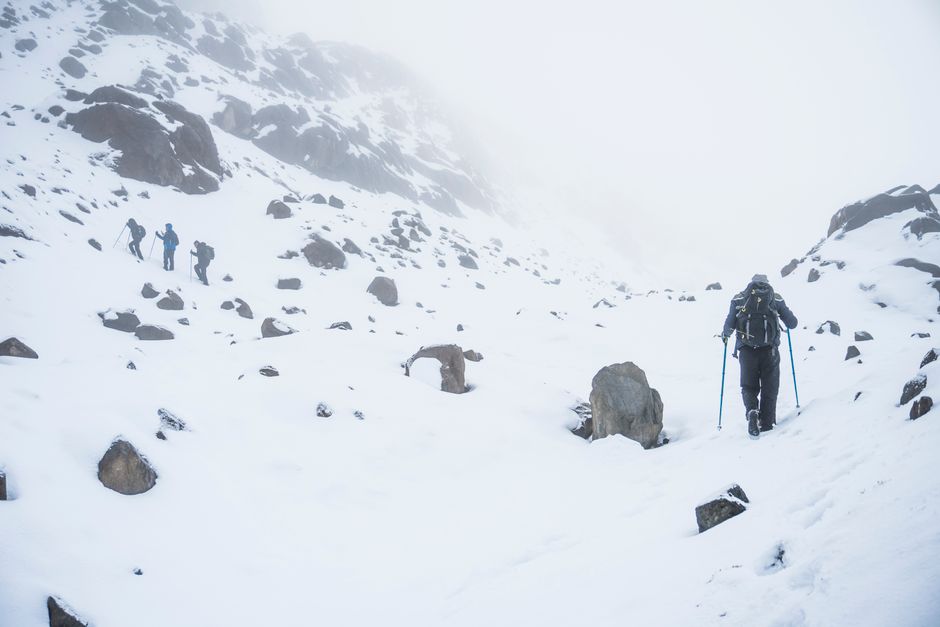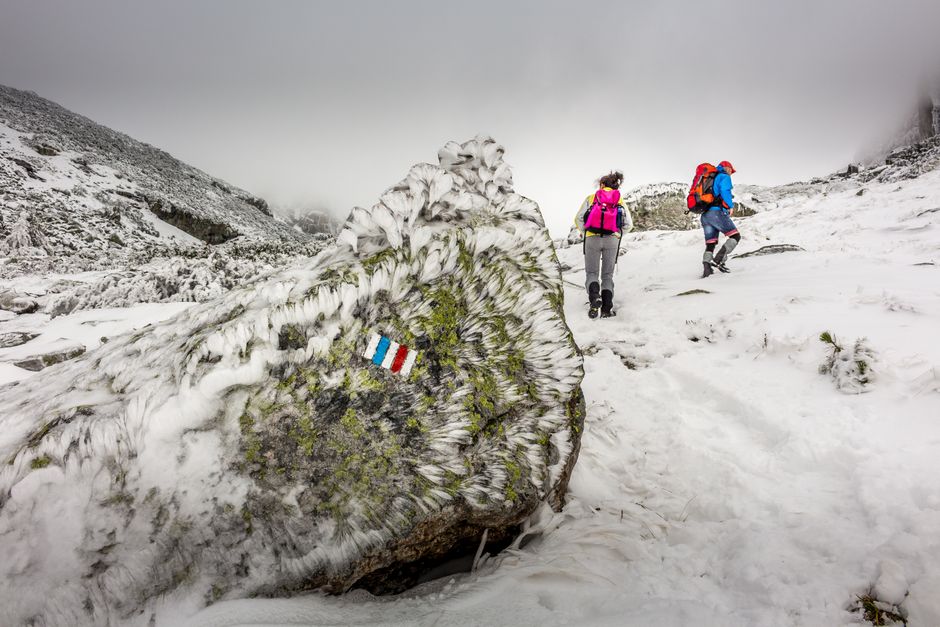
Nigeria, a country blessed with diverse landscapes, offers some of the most breathtaking hiking experiences on the African continent. Whether you're a seasoned trekker or a novice looking to explore the outdoors, hiking in Nigeria can be an adventure of a lifetime. From the lush greenery of the Cross River National Park to the awe-inspiring heights of Obudu Mountain Resort, the country is a haven for nature enthusiasts. As with any adventure, preparation is key. This guide will walk you through the essential tips to make your hiking experience in Nigeria safe, enjoyable, and unforgettable.
From choosing the right gear to understanding the terrain, we've got you covered. With insights drawn from expert hikers and local guides, this article aims to equip you with everything you need to know before setting foot on Nigerian trails. So lace up those hiking boots, grab your backpack, and let's embark on a journey through Nigeria's natural wonders.
Choosing the Right Gear
Footwear
The foundation of a successful hike begins with the right footwear. In Nigeria, where trails can range from the rocky paths of the Mambilla Plateau to the muddy tracks of the Afi Mountain Wildlife Sanctuary, investing in a good pair of hiking boots is crucial.
- Look for boots with good ankle support to prevent injuries.
- Waterproof materials are ideal for wet conditions.
- Ensure they are well-fitted to avoid blisters and discomfort.
Remember, your shoes are your best friends on the trail, so choose wisely.
Clothing
When it comes to clothing, layering is key. Nigeria's weather can be unpredictable, especially in mountainous regions.
- Start with a moisture-wicking base layer to keep sweat away from your body.
- Add an insulating layer for warmth during cool mornings or evenings.
- Consider a waterproof jacket to protect against rain and wind.
Always check the weather forecast before your hike to dress appropriately.
Understanding the Terrain
Trail Difficulty
Nigerian trails vary in difficulty levels, making it essential to choose a path that matches your experience and fitness level. For beginners, the easy trails of Erin-Ijesha Waterfalls offer a leisurely stroll with stunning views.
For more experienced hikers, the challenge of ascending Zuma Rock is both rewarding and demanding. It's important to do your research and, if possible, consult with local guides who can provide valuable insights into trail conditions and difficulties.
Navigational Tools
Navigating Nigeria's trails can be challenging due to the lack of marked paths. Equip yourself with a reliable map and a GPS device. Many trails do not have cell service, so it's wise to download maps beforehand.
"Always inform someone of your hiking plans and expected return time."
Safety and Health Precautions
Stay Hydrated
Hydration is critical, especially in Nigeria's warm climate. Carry enough water to last the entire hike, and consider using a hydration pack for easy access.
First Aid Essentials
A well-stocked first aid kit is a must. Include bandages, antiseptic wipes, pain relief medication, and any personal medication you may need.
"In case of an emergency, knowing basic first aid can be a lifesaver."
Respecting the Environment
Leave No Trace
As hikers, it's our responsibility to protect and preserve the natural beauty of our trails. Follow the Leave No Trace principles by carrying out everything you bring in, including trash.
Wildlife Awareness
Nigeria is home to diverse wildlife, and while encountering animals can be thrilling, it's important to maintain a respectful distance. Never feed wildlife and always follow park regulations.
Conclusion
Hiking in Nigeria is more than a physical challenge; it's a journey through breathtaking landscapes and a chance to connect with nature. With the right preparation and respect for the environment, your hiking adventures in Nigeria will be both safe and rewarding. So get out there, explore, and let the trails of Nigeria leave a lasting impression on your soul.