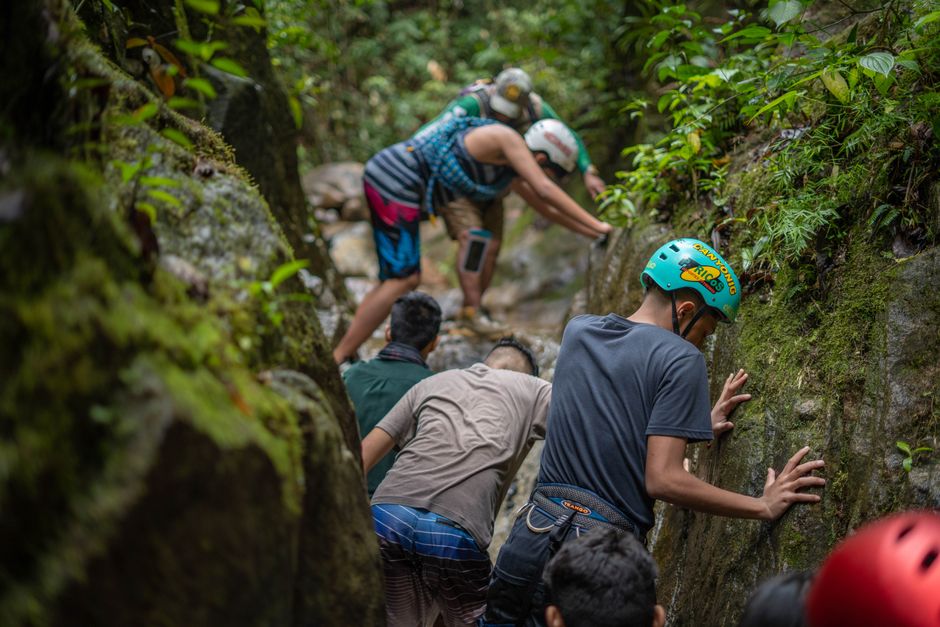
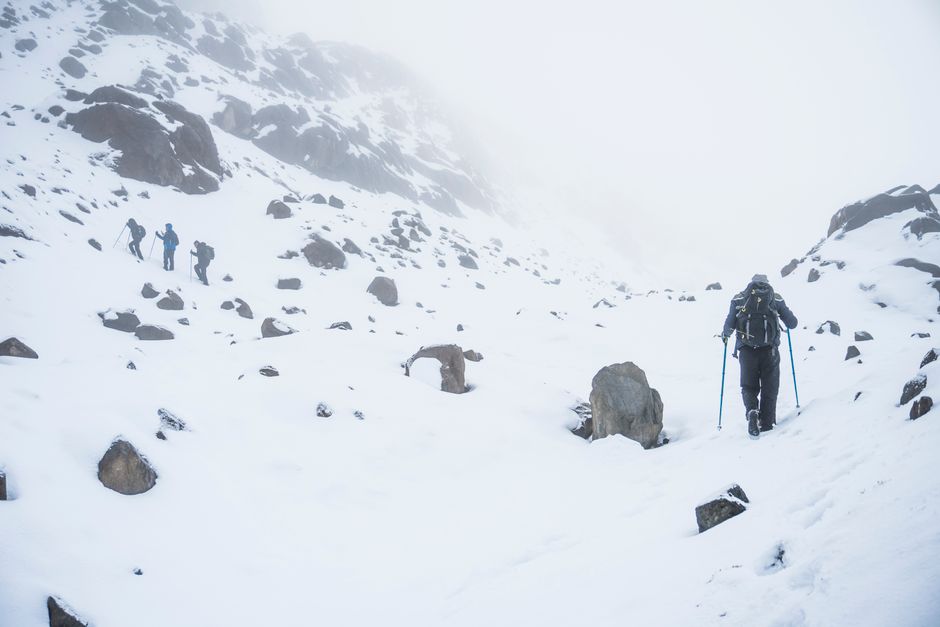
Imagine waking up to the sound of nature, the crisp morning air, and the allure of an unexplored trail ahead of you. Hiking offers these experiences and more, and Nigeria is a canvas painted with numerous scenic trekking paths waiting to be discovered. Whether you're a seasoned hiker or a curious beginner, Nigeria's diverse landscapes promise exhilarating adventure.
As the hustle and bustle of city life in Lagos or Abuja gets overwhelming, escaping to nature’s embrace might just be what you need. Hiking in Nigeria doesn't just offer physical benefits but also a mental refresh, a connection to nature that is increasingly rare in our busy lives. In this guide, we'll explore the essentials of hiking in Nigeria, offering insights into the best trails, preparation tips, safety advice, and much more.
Why Hike in Nigeria?
Unique Landscapes
Nigeria boasts a rich tapestry of landscapes from the rolling hills of the Jos Plateau to the lush rainforests of Cross River. Each region offers its unique charm and challenges, appealing to hikers of all skill levels. The diversity in flora and fauna makes each hike a unique adventure, providing ample opportunity for bird watching, photography, and even cultural experiences as you pass through local villages.
Fitness and Wellbeing
Hiking is not just about reaching the top of a mountain or the end of a trail. It’s about the journey and the physical fitness benefits you gain along the way. Regular hiking improves cardiovascular fitness, strengthens muscles, and boosts mental health by reducing stress and anxiety.
"Hiking is the perfect way to disconnect from the digital world and reconnect with yourself and nature."
Top Hiking Trails in Nigeria
Olumo Rock, Ogun State
One of the most iconic hiking spots in Nigeria, Olumo Rock offers breathtaking views of Abeokuta city from its summit. The climb involves navigating through natural tunnels and climbing stairs carved into the rock, making it accessible even for beginners.
Obudu Mountain Resort, Cross River
Known for its scenic beauty, Obudu Mountain Resort offers trails that weave through its lush hills and valleys. The cool climate and stunning views make it a favorite among hikers looking to escape the heat of the lowlands.
Idanre Hills, Ondo State
This historical site offers a challenging climb rewarded by panoramic views of the surrounding countryside. The ancient settlement on the hills adds a touch of history to your hike.
Essential Hiking Gear
Footwear
A good pair of hiking boots is vital. They should be comfortable, provide good grip, and offer ankle support to navigate the varied terrains of Nigerian trails.
Backpack
A sturdy backpack is essential for carrying water, snacks, and emergency supplies. Opt for a water-resistant pack to protect your belongings from sudden downpours.
- Water bottle or hydration system
- First aid kit
- Navigation tools (map, compass, GPS)
- Sun protection (hat, sunscreen, sunglasses)
Safety Tips for Hikers
Plan Your Route
Always have a clear understanding of the trail, including distance, difficulty, and estimated time to complete. Inform someone of your plan and expected return time.
Weather Awareness
Nigeria's weather can be unpredictable. Before setting out, check the weather forecast and be prepared for sudden changes, especially during the rainy season.
Hiking with Company
While solo hikes can be a great way to find peace, hiking in groups enhances safety. It’s always good to have someone to watch your back or share the experience with.
"Always respect nature, stick to marked trails, and leave no trace to protect the environment for future generations."
Conclusion
Hiking in Nigeria is an enriching experience that combines physical activity with nature's beauty and cultural exploration. Whether you're scaling the heights of Olumo Rock or leisurely walking through the forests of Cross River, each trail offers its unique adventure. Equip yourself with the right gear, respect nature, and embark on a journey that promises both challenge and serenity.