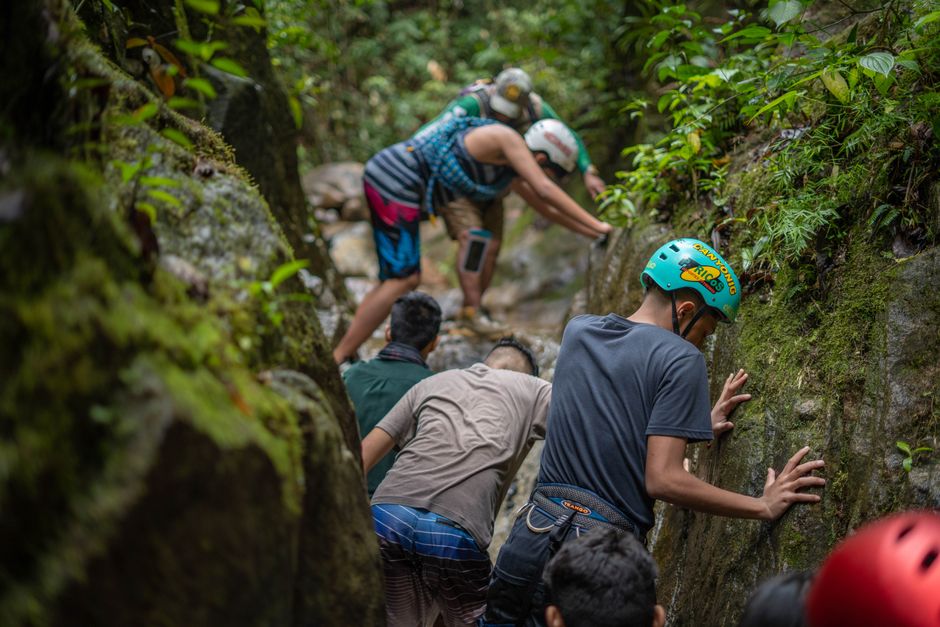
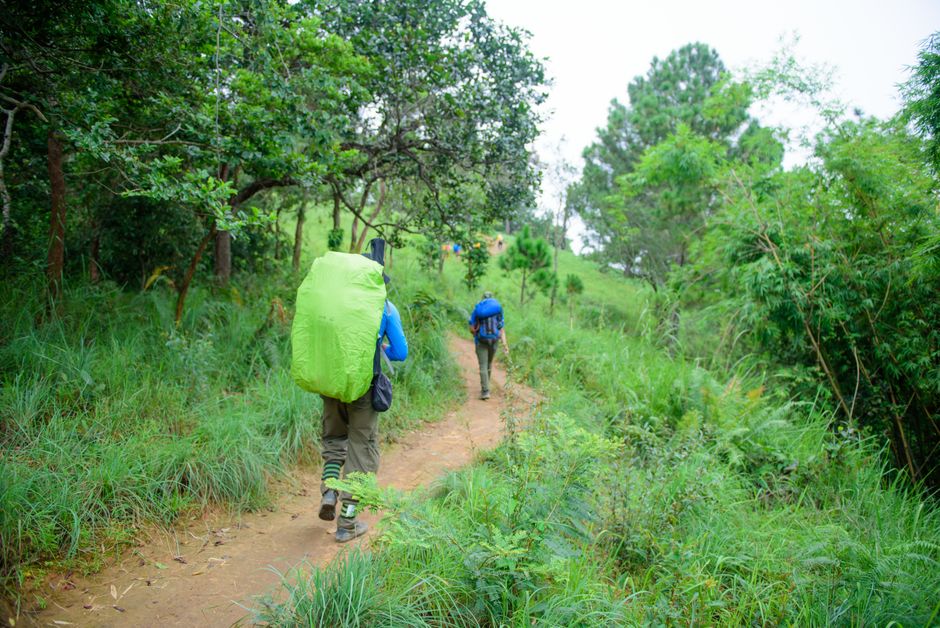
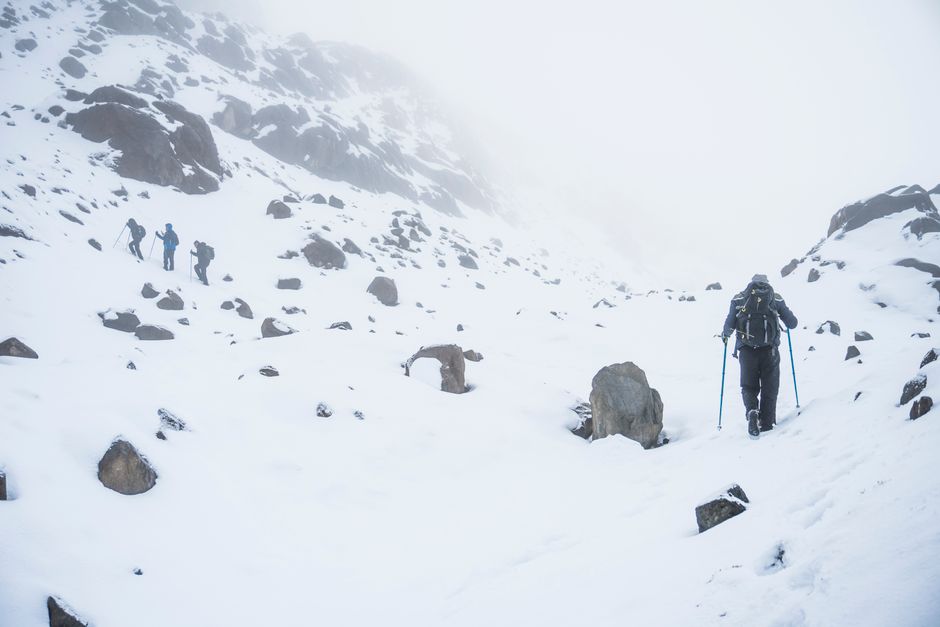
Have you ever stood at the foot of a mountain, gazing upward, excitement bubbling just below the surface, wondering what it's like to conquer trails and bask in nature's untouched beauty? Hiking in Nigeria offers just that thrilling experience. From the rolling hills of the Mambilla Plateau to the lush greenery of Obudu, the country's diverse landscapes provide a myriad of hiking opportunities for beginners and seasoned trekkers alike.
For many Nigerians, hiking remains an untapped adventure, a chance to leave behind the bustling city life and immerse oneself in the serene wilderness. Whether you're a city dweller in Lagos or a student in Ibadan, the call of the wild is a refreshing escape. But before you lace up your boots and hit the trails, it's crucial to be well-prepared. This guide will walk you through the essentials of hiking in Nigeria, helping you to enjoy your adventure while staying safe and comfortable.
Are you ready to embark on a journey through Nigeria's breathtaking trails? Let's dive into the essentials that every budding hiker should know.
Choosing the Right Gear
Footwear: Your Most Important Investment
Your shoes will either make or break your hiking experience. In Nigeria, where trails can shift from muddy rainforest paths to rocky inclines, a sturdy pair of hiking boots is essential. Look for boots with good ankle support and water-resistant materials to keep your feet dry and comfortable.
- Tip: Break in new boots by wearing them around your home or on short walks before attempting a long hike.
- Consider insoles for added comfort during hikes.
- Bring an extra pair of socks in case of wet conditions.
Clothing: Dress for the Elements
Dressing in layers is key when hiking in Nigeria's varied climates. Start with moisture-wicking base layers to keep sweat away from your skin, topped with a lightweight jacket for cooler mornings or evenings.
- Tip: Avoid cotton clothing as it retains moisture and can lead to discomfort.
- Always have a rain jacket handy, especially during the rainy season.
Backpack: What to Pack
A comfortable, well-fitted backpack is crucial for carrying your essentials without straining your back. Look for one with multiple compartments for organization.
- Essentials: Water bottle, snacks, first-aid kit, map, and sunscreen.
- A small flashlight or headlamp for unexpected delays.
Understanding Trail Etiquette
Leave No Trace
Nigeria's natural beauty is a treasure to be preserved. Practice the 'Leave No Trace' principles by packing out all trash, staying on designated trails, and respecting wildlife.
"Take nothing but pictures, leave nothing but footprints." - Popular Hiking Mantra
Respect Other Hikers
Hiking trails are shared spaces. Maintain a friendly demeanor, yield to others when necessary, and keep noise levels down to enjoy the tranquility of nature.
- Keep your group together to avoid blocking the trail.
- Use headphones if you listen to music.
Planning Your Hike
Research the Trail
Before setting out, research the trail's difficulty level, terrain, and length. This will help you prepare accordingly and set appropriate expectations for your group.
- Tip: Start with shorter, easier trails and gradually work your way up to more challenging hikes.
Check the Weather
Weather can change rapidly, especially in mountainous areas. Check the forecast on the day of your hike and adjust your plans if necessary.
- Rainy conditions can make trails slippery and more challenging.
Inform Someone of Your Plans
Always let someone know your hiking plans, including your expected return time, especially if you're hiking in remote areas.
"Safety should never be an afterthought when embarking on an adventure." - Outdoor Safety Expert
Navigating Nigeria's Top Hiking Destinations
Mambilla Plateau
Known for its stunning vistas and cool climate, the Mambilla Plateau is a hiker's dream. Trails such as the Chappal Waddi offer breathtaking views.
Obudu Mountain Resort
Famous for its cable cars and lush trails, Obudu is perfect for those who enjoy a mix of adventure and relaxation.
Idanre Hills
Steeped in history and legend, hiking the 682 steps to the top is both a physical and cultural journey.
Final Thoughts
Hiking in Nigeria is more than just a physical activity; it's an opportunity to connect with nature, challenge yourself, and experience the country's diverse landscapes. With the right preparation, your hiking adventures will be safe, enjoyable, and memorable. So pack your gear, choose your trail, and discover the natural beauty that awaits beyond the city lights. Remember, every trail has a story, and it's time for you to create yours.