Mountain climbing is not just an activity; it is an exhilarating journey that pushes the boundaries of physical endurance and mental resilience. For Nigerian adventurers eager to explore the heights of iconic peaks around the world, knowing where to start and how to prepare is essential. Whether you're a seasoned climber or just getting started, this guide will serve as your roadmap to conquering those daunting elevations.
Imagine standing atop a mountain, the clouds beneath your feet, and the world stretched out before you in all its vastness. The allure of mountain climbing is undeniable. However, before you lace up your boots and hit the trails, it's crucial to position yourself for success with the right knowledge and preparation.
This article will walk you through essential tips, gear recommendations, safety measures, and mental strategies specifically tailored for Nigerian climbers, ensuring your next mountain expedition is both safe and rewarding.
Preparing for Your Climb
Preparation is the foundation of any successful mountain climbing endeavor. Without it, even the most experienced climbers can find themselves unprepared for the challenges ahead.
Research and Planning
Start by choosing a mountain that matches your skill level. Popular choices like Mount Kilimanjaro in Tanzania or Mount Cameroon can offer diverse challenges.
- Gather information about the mountain's terrain, weather conditions, and local regulations.
- Seek advice from seasoned climbers or local guides familiar with the mountain.
- Plan your route meticulously, allowing for acclimatization days if necessary.
Physical Conditioning
Mountain climbing demands a high level of physical fitness. Begin training months in advance to build endurance and strength.
- Incorporate aerobic exercises like running or cycling into your routine.
- Focus on strength training, particularly for your core and legs.
- Practice climbing on local hills or rock walls to simulate real climbing conditions.
"Your body is your most crucial piece of equipment. Train it well, and it will serve you when you need it the most."
Essential Gear for Mountain Climbing
Having the right gear can make the difference between a successful climb and a dangerous misadventure. Invest in quality equipment that will withstand the rigors of mountain environments.
Clothing and Footwear
Your clothing should protect you from the elements while allowing for mobility and breathability.
- Layered clothing with moisture-wicking materials is ideal for temperature fluctuations.
- Invest in a durable, waterproof jacket and pants to shield you from rain and snow.
- Sturdy, well-fitted climbing boots with good grip and ankle support are essential.
Climbing Gear
Ensure you have the necessary climbing gear, tailored to the specific demands of your adventure.
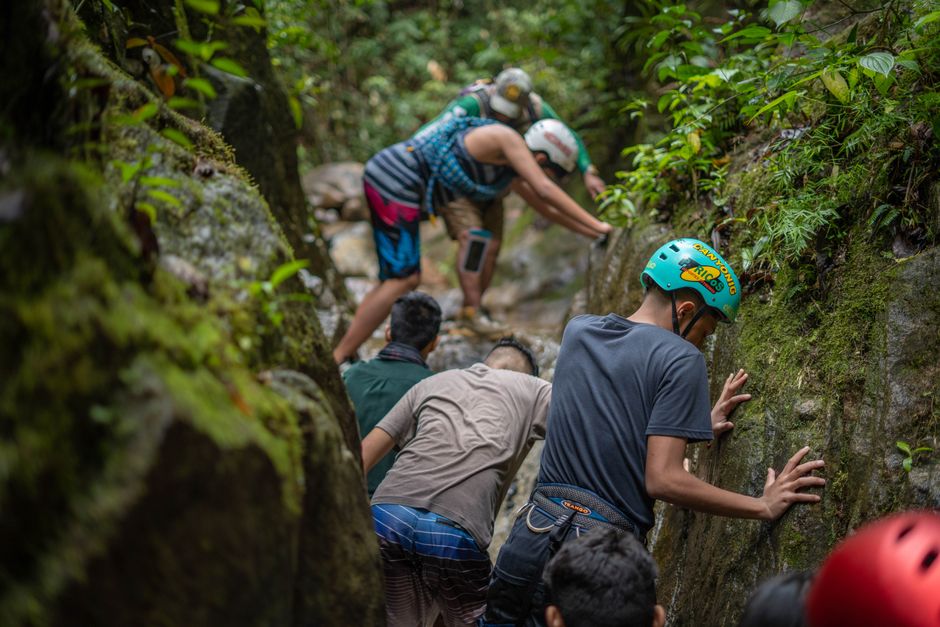
- Climbing harness and helmet for safety during ascents.
- Ropes, carabiners, and belay devices for technical climbs.
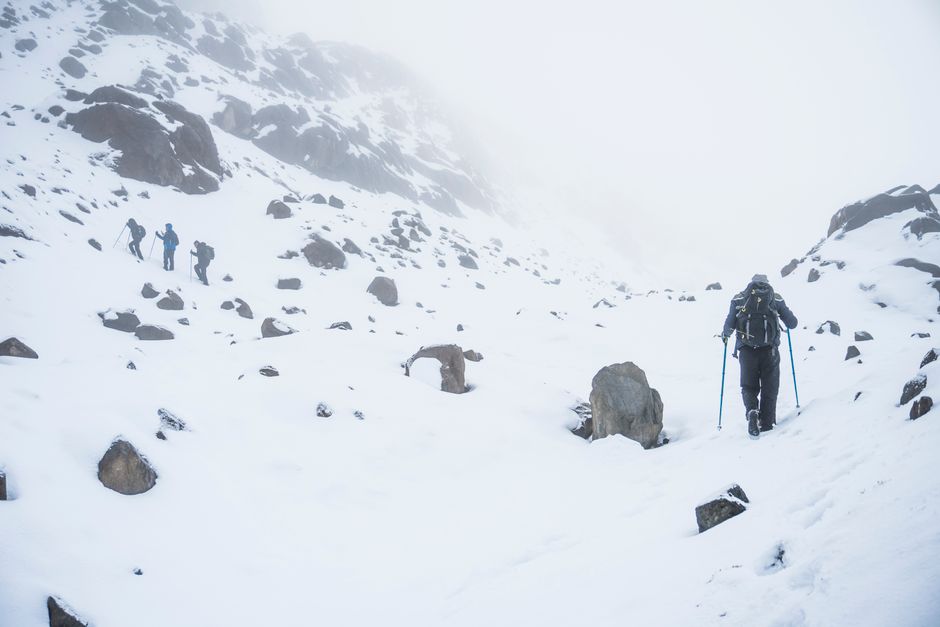
- Trekking poles to aid balance and reduce strain on knees during descents.
Safety First: Navigating the Risks
Climbing mountains involves inherent risks. However, with the right precautions, these can be minimized to ensure a safe climb.
Weather Awareness
Understanding the weather patterns of your chosen mountain is crucial.
- Check weather forecasts regularly leading up to and during your climb.
- Be prepared to adjust your plans in response to sudden weather changes.
Emergency Preparedness
Being prepared for emergencies can save lives.
- Carry a well-stocked first-aid kit, including high-altitude sickness medication.
- Have an emergency communication device, such as a satellite phone.
- Know the location of the nearest rescue stations and how to reach them.
"In mountain climbing, the key to safety is respect for the mountain and its unpredictable nature."
Mental Fortitude: The Key to Climbing Success
The mental aspect of mountain climbing is often overlooked, yet it is as important as physical preparation.
Building Resilience
The climb can be grueling and test your limits, but resilience will push you through.
- Visualize your goals and the steps needed to reach them.
- Practice mindfulness and stress management techniques to stay calm under pressure.
Team Dynamics
Most climbs are not undertaken alone. Understanding team dynamics can enhance your climbing experience.
- Communicate openly with your team members about expectations and concerns.
- Foster a supportive environment where everyone feels valued and heard.
Final Thoughts
Mountain climbing is a rewarding pursuit that offers unparalleled thrills and personal growth. By following this guide, prepared with the unique challenges faced by Nigerian climbers in mind, you're setting yourself up for not just a safe climb, but an unforgettable journey to the peak. Remember, each climb is not just about reaching the top, but savoring every moment, challenge, and triumph along the way.
Now is the time to take the leap, conquer your fears, and explore the heights that await. Happy climbing!