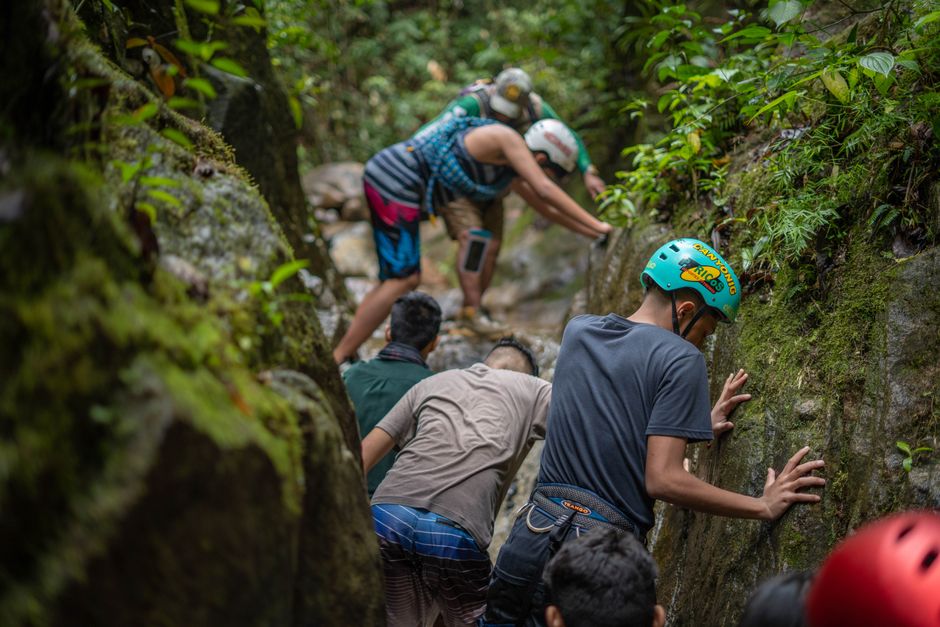
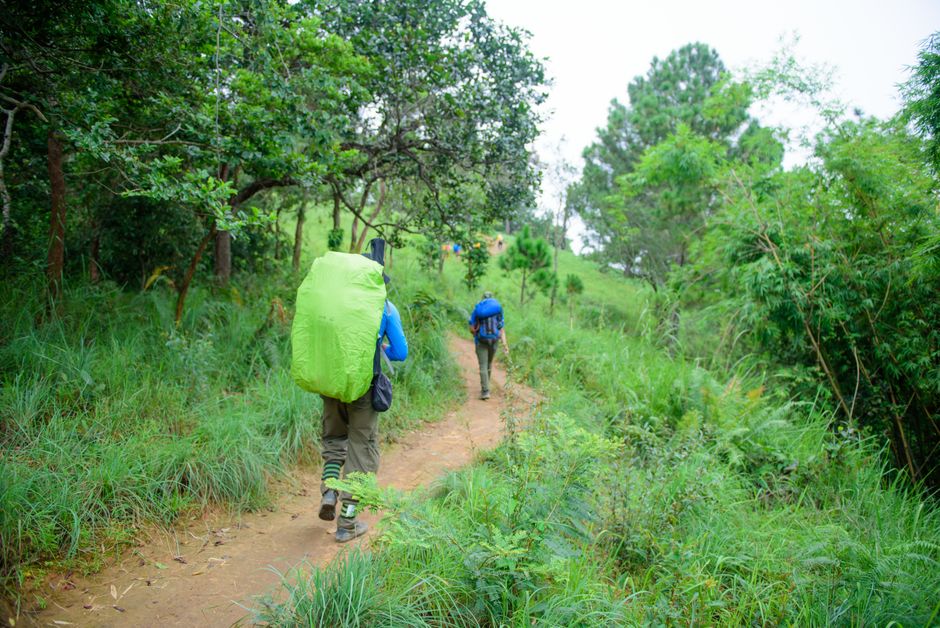
When you think of hiking destinations, Nigeria might not be the first place that comes to mind. However, this West African nation offers some of the most breathtaking landscapes that are perfect for hiking enthusiasts. From the lush forests of Cross River to the rocky terrains of the Mambilla Plateau, Nigeria is a treasure trove of natural beauty waiting to be explored. If you're ready for an adventure, lace up your hiking boots and get ready to discover the best trails that Nigeria has to offer.
Hiking is more than just a recreational activity; it's a way to connect with nature and challenge yourself physically and mentally. Whether you're a seasoned hiker or a beginner, there's a trail in Nigeria that's perfect for you. But before you hit the trails, there are a few important things you need to know to ensure a safe and enjoyable experience.
In this guide, we'll cover essential hiking tips, highlight some of Nigeria's top hiking destinations, and provide useful advice on what to bring along. Let's dive into the world of Nigerian hiking adventures and get you started on your next journey!
Essential Hiking Tips
Preparing for Your Hike
Preparation is key to a successful hiking trip. Start by researching the trail you plan to hike, including its length, difficulty, and any specific regulations. Knowing what to expect will help you pack appropriately and ensure you have the right gear.
- Check the Weather: Nigeria's weather can be unpredictable, so it's crucial to check the forecast before heading out.
- Inform Someone: Always let someone know your hiking plan, especially if you're going alone.
- Map and Compass: Even if you're using a GPS, a physical map and compass are essential backups.
What to Wear
Choosing the right clothing can make a significant difference in your hiking experience. Opt for breathable, moisture-wicking fabrics that will keep you comfortable throughout your hike.
- Footwear: Invest in a good pair of hiking boots that provide support and traction.
- Layers: Dress in layers to adapt to changing weather conditions easily.
- Hat and Sunglasses: Protect yourself from the sun with a wide-brimmed hat and UV-protection sunglasses.
Top Hiking Destinations in Nigeria
Obudu Mountain Resort
Located in Cross River State, Obudu Mountain Resort is one of the most famous hiking destinations in Nigeria. The resort offers various trails that showcase stunning views of the surrounding landscape.
"Obudu is like paradise on earth. The air is fresh, the views are breathtaking, and the trails are unforgettable." — Local Hiker
- Trail Difficulty: Moderate to Difficult
- Highlights: Cable car rides, canopy walkways, and diverse flora and fauna
- Best Time to Visit: October to March, to avoid the heavy rains
Idanre Hills
Idanre Hills in Ondo State is a UNESCO World Heritage Site that offers a challenging yet rewarding hiking experience. The hills are steeped in history and culture, making it a must-visit for any adventurer.
- Trail Difficulty: Challenging
- Highlights: Ancient structures, panoramic views, and rich cultural heritage
- Best Time to Visit: During the dry season, particularly between December and February
Gear and Essentials
Backpack Basics
Your backpack is your lifeline during a hike. It should be comfortable and large enough to hold all your essentials without being too heavy.
- Capacity: For a day hike, a backpack with a capacity of 20-30 liters is ideal.
- Compartments: Look for a backpack with multiple compartments for easy organization.
- Hydration: Consider one with a hydration reservoir or carry a water bottle.
Emergency Kit
An emergency kit is essential for every hiker, no matter the trail's difficulty. Ensure your kit includes:
- First Aid Supplies: Band-aids, antiseptic wipes, pain relievers, and any personal medications
- Navigation Tools: Map, compass, and a fully charged GPS device
- Emergency Shelter: Space blankets or a lightweight bivy sack
Safety Considerations
Wildlife Awareness
While hiking in Nigeria, you're likely to encounter various wildlife. Understanding how to react can keep both you and the animals safe.
- Keep Your Distance: Never approach or feed wild animals.
- Stay Calm: If you encounter wildlife, remain calm and slowly back away.
- Be Aware: Research the local wildlife to know what to expect and how to react.
Trail Etiquette
Practicing good trail etiquette ensures that everyone can enjoy the beauty of nature without disruption.
- Leave No Trace: Carry out all trash and avoid disrupting the environment.
- Yield to Others: Uphill hikers have the right of way.
- Respect Nature: Stay on marked trails to protect plant life and prevent erosion.
Conclusion
Hiking in Nigeria is a rewarding experience that offers both physical challenges and the chance to connect with some of the country's most beautiful natural landscapes. With the right preparation, gear, and mindset, you're sure to have an unforgettable adventure. So grab your backpack, gather your hiking buddies, and set out to explore the incredible trails that Nigeria has to offer.
Whether you're scaling the heights of Obudu or uncovering the mysteries of Idanre Hills, every step you take will bring you closer to nature and new discoveries. Adventure awaits—are you ready to take the first step?