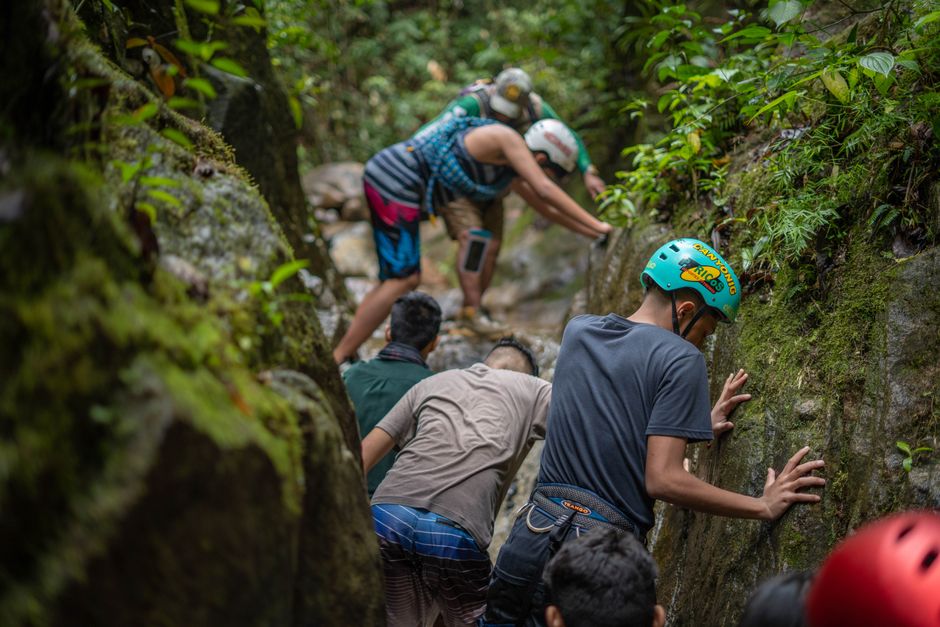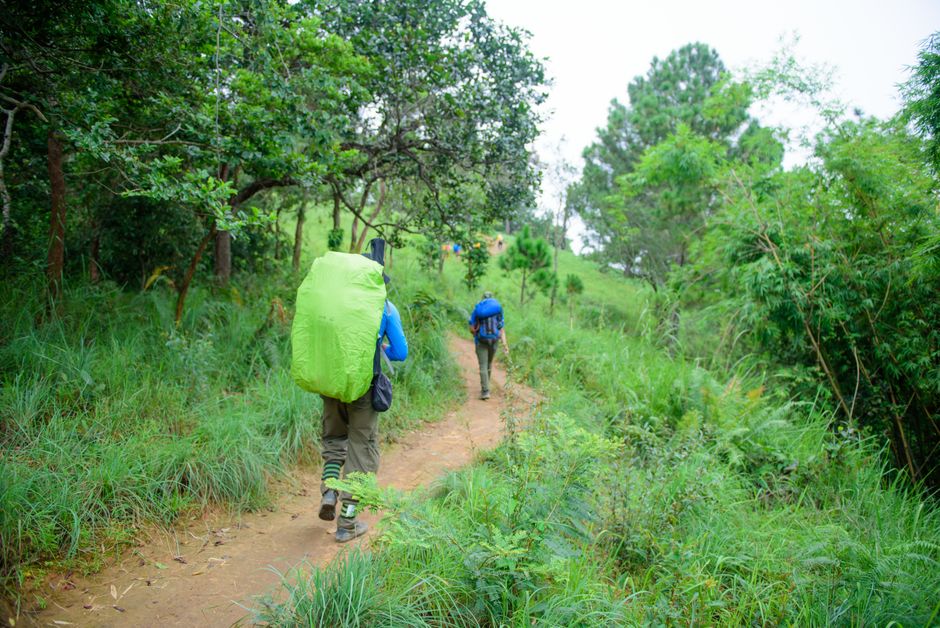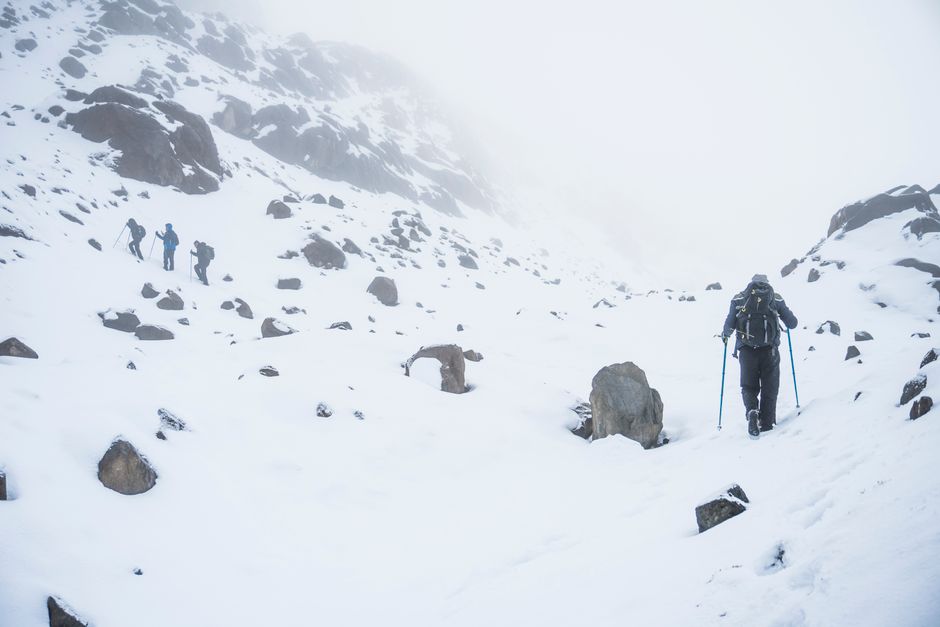
Imagine standing on the brink of a spectacular view, where the horizons stretch far beyond what the eyes can see, and the air is filled with the sweet scent of nature unspoiled. Hiking in Nigeria offers such experiences, with its diverse landscapes from lush rainforests to rolling savannas and towering mountains. Whether you're a seasoned trekker or a novice adventurer, Nigeria's hiking trails promise an experience like no other.
In this guide, we'll delve into the most captivating hiking spots in Nigeria, share practical tips on preparing for your adventure, and ensure you're ready to embark on a journey that is both thrilling and safe. Whether you're planning a solo adventure or a group expedition, this guide is your comprehensive resource to hiking in Nigeria.
Top Hiking Trails in Nigeria
Olumo Rock, Abeokuta
Located in the heart of Abeokuta, Olumo Rock offers an exciting hiking experience combined with cultural insights. The rock is historically significant, serving as a fortress for the Egba people during inter-tribal wars.
- Trail Difficult: Moderate, with steep ascents.
- Best Time to Hike: Dry season (November to March).
- Highlights: Panoramic views of Abeokuta, ancient caves, and historical artifacts.
Obudu Mountain Resort, Cross River
Nestled in the southeastern part of Nigeria, the Obudu Mountain Resort offers a breathtaking hiking experience. The trail is adorned with lush greenery, waterfalls, and exotic wildlife.
- Trail Difficulty: Moderate to difficult, depending on the chosen path.
- Best Time to Hike: October to February.
- Highlights: Waterfalls, diverse flora and fauna, and the Cable Car Ride.
Idanre Hills, Ondo State
Idanre Hills is a UNESCO World Heritage site known for its stunning natural beauty and cultural significance. The hike involves climbing 682 steps, leading to a series of peaks with breathtaking views.
- Trail Difficulty: Challenging, due to the steep steps.
- Best Time to Hike: November to April.
- Highlights: Ancient settlements, fantastic views, and unique rock formations.
Essential Gear for Hiking in Nigeria
Embarking on a hike requires more than just the desire for adventure. Proper gear is essential to ensure safety and comfort during your journey.
Footwear
"The right footwear is crucial. Invest in quality hiking boots that provide support and grip, especially on rocky terrains."
- Durability and comfort are key.
- Consider waterproof options for wet trails.
Clothing
Dressing in layers is advisable, as temperature can vary significantly between the base and summit.
- Lightweight, moisture-wicking materials are ideal.
- Pack a rain jacket for unexpected showers.
Backpack Essentials
Your backpack should be packed with essentials that cater to both comfort and emergencies.
- First-aid kit and personal medications.
- Water bottles or hydration packs.
- Snacks and energy bars.
- Navigation tools: Maps, compass, or GPS.
Safety Tips for Hiking in Nigeria
While hiking is a rewarding activity, safety should always be a priority. Here are some safety tips to ensure a smooth hiking experience in Nigeria.
Inform Someone
"Always let someone know your hiking plans, including your expected return time."
Inform a friend or family member of your itinerary.
Weather Awareness
Weather can change rapidly, especially in mountainous regions.
- Check the forecast before setting out.
- Be prepared for sudden weather changes.
Hiking in Groups
There is safety in numbers, especially in unfamiliar environments.
- Hike with a group or a local guide.
- Stay on designated trails to avoid getting lost.
Connecting with Local Culture
Hiking in Nigeria isn't just about the physical journey; it's also about embracing the local culture and communities.
Engage with Local Communities
Many hiking areas are home to indigenous communities with rich cultural heritage.
- Respect local customs and traditions.
- Engage with locals to learn more about their history and lifestyle.
Supporting Eco-tourism
"Travel responsibly. Support eco-tourism initiatives to preserve the natural and cultural heritage."
Choose to stay in eco-friendly accommodations.
Participate in community-based tourism projects.
Conclusion
Hiking in Nigeria is a journey that goes beyond physical endurance. It's an exploration of stunning landscapes, cultural heritage, and personal growth. By preparing adequately and respecting the environment and local communities, you can ensure a safe and enriching hiking experience. So lace up your hiking boots, pack your essentials, and set off to discover the beauty and adventure that Nigeria has to offer.