Nigeria, with its diverse landscapes and untouched natural wonders, offers a treasure trove of hidden trails for hiking enthusiasts. From the lush forests of Cross River to the rocky terrains of Jos Plateau, these trails promise an adventure for anyone willing to explore beyond the well-trodden paths. As interest in outdoor activities grows among Nigerians, hiking presents an exciting opportunity not just to connect with nature, but also to experience the rich tapestry of local culture and history.
Whether you're a seasoned trekker or a curious newbie, understanding what's needed to fully enjoy Nigeria's hiking trails is essential. Beyond just the physical effort, hiking here involves preparation, respect for local customs, and a readiness to embrace the unexpected. Let's delve into the essentials of hiking in Nigeria, offering you insights and tips that will make your next adventure safe, enjoyable, and remarkable.
In this guide, we'll explore some of the most breathtaking trails, share expert advice on gear and preparation, highlight safety tips, and discuss how to engage respectfully with local communities. Ready to lace up your boots and hit the trails? Let’s get started!
Why Choose Hiking in Nigeria?
Diverse Landscapes
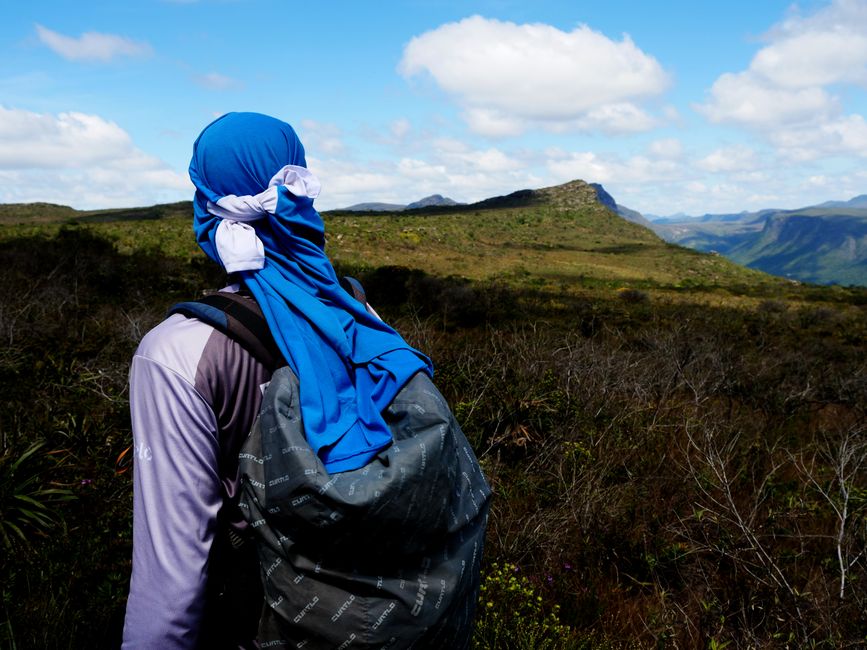
Nigeria's landscape is as diverse as its people. From the rolling hills of Obudu to the serene beauty of Ado Awaye's suspended lakes, each region offers unique experiences. Hiking in these areas not only provides a physical challenge but also opens up vistas of Nigeria's remarkable biodiversity.
As you trek through these trails, you will encounter flora and fauna unique to the region, making each hike a journey of discovery.
Cultural Connections
Hiking in Nigeria is not just about the trails; it's about connecting with the communities that call these places home. Many trails pass through local villages, offering hikers the chance to interact with friendly locals, learn about indigenous traditions, and even taste some local cuisine.
These cultural exchanges enrich the hiking experience, making each trek memorable beyond the physical journey.
Popular Hiking Trails in Nigeria
Obudu Mountain Resort
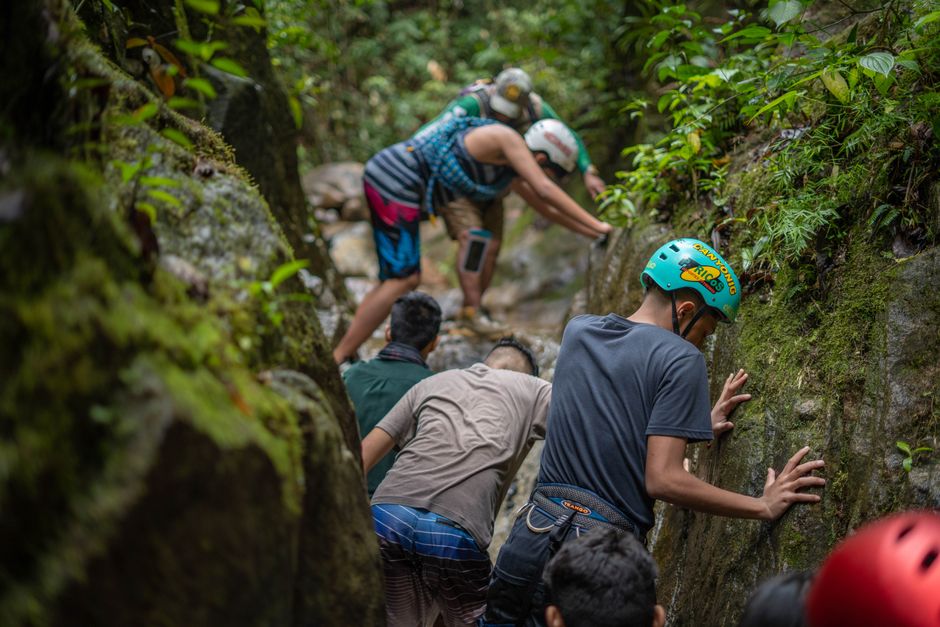
Located in Cross River State, the Obudu Mountain Resort is famous for its stunning scenery and challenging trails. Here, you can hike through thick rainforests, past cascading waterfalls, and up to the highlands with sweeping views.
The resort offers guided tours, ensuring a safe experience while maximizing the scenic wonder.
Idanre Hills
Situated in Ondo State, the Idanre Hills are steeped in history and legend. The hike up these hills takes you through ancient pathways with breathtaking views of the verdant surroundings.
As one of Nigeria's UNESCO World Heritage sites, the area is rich with artifacts and tales from the past, adding an educational layer to your adventure.
Preparing for Your Hike
Essential Gear
- Footwear: Invest in a good pair of hiking boots with ample ankle support and grip.
- Clothing: Wear breathable, moisture-wicking fabrics. Layers are vital for adapting to Nigeria's varying climates.
- Backpack: A comfortable, lightweight backpack to carry water, snacks, and essentials.
Weather Considerations
Nigeria's climate can be unpredictable, especially during the rainy season. Check the weather forecast before heading out and plan your hike accordingly.
Consider starting your hike early in the morning to avoid the midday heat, and always bring a rain jacket just in case.
Safety Tips for Hiking in Nigeria
Plan and Inform
Always plan your hike carefully and inform someone about your itinerary. Knowing the route and estimated timelines helps in avoiding unnecessary risks.
Let a friend or family member know your plans, including your expected return time.
Stay on Designated Trails
While the temptation to blaze your own path can be strong, sticking to designated trails ensures your safety and helps preserve the environment.
Marked trails are more likely to have regular patrolling and assistance in case of emergencies.
Engaging with Local Communities
Respect Local Traditions
When hiking through local areas, it's crucial to respect the traditions and customs of the communities you encounter. Simple gestures, like greeting locals or learning a few words in their language, go a long way.
Moreover, understanding local customs can enrich your experience and foster positive interactions.
Supporting Local Economies
Buying local crafts or enjoying a meal at a village café not only supports local economies but also provides you with an authentic taste of the region. Many communities rely on tourism, and your contributions help sustain their way of life.
Conclusion
Hiking in Nigeria offers unparalleled opportunities to explore breathtaking landscapes while connecting with vibrant cultures. By preparing adequately, respecting local customs, and prioritizing safety, you can ensure an enriching and memorable hiking experience. Whether you're scaling the heights of Obudu or wandering through the historical Idanre Hills, each step is a journey into Nigeria's heart and soul.
So, pack your gear, bring your adventurous spirit, and embark on a journey across Nigeria's hidden trails. The adventure awaits!