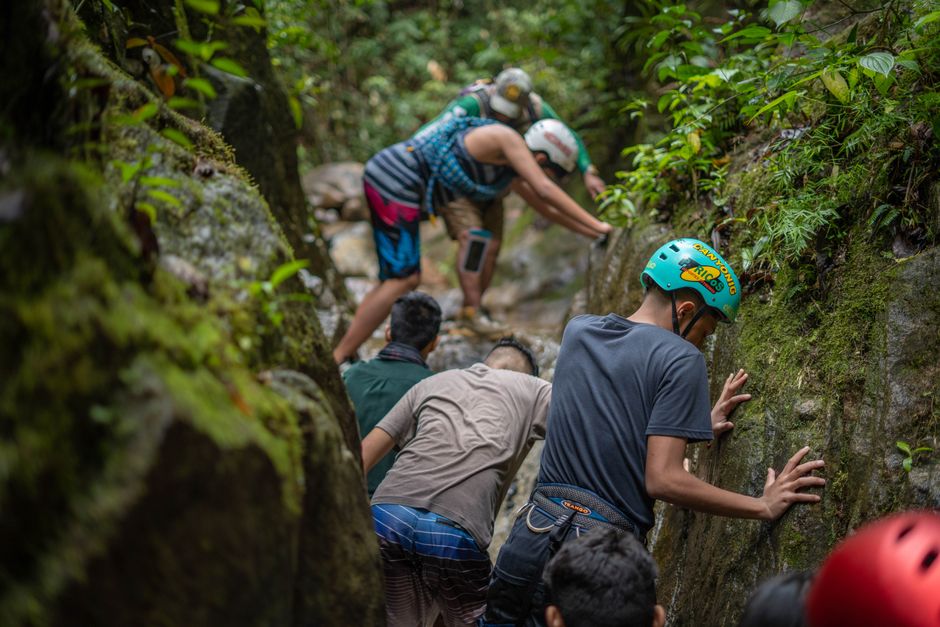
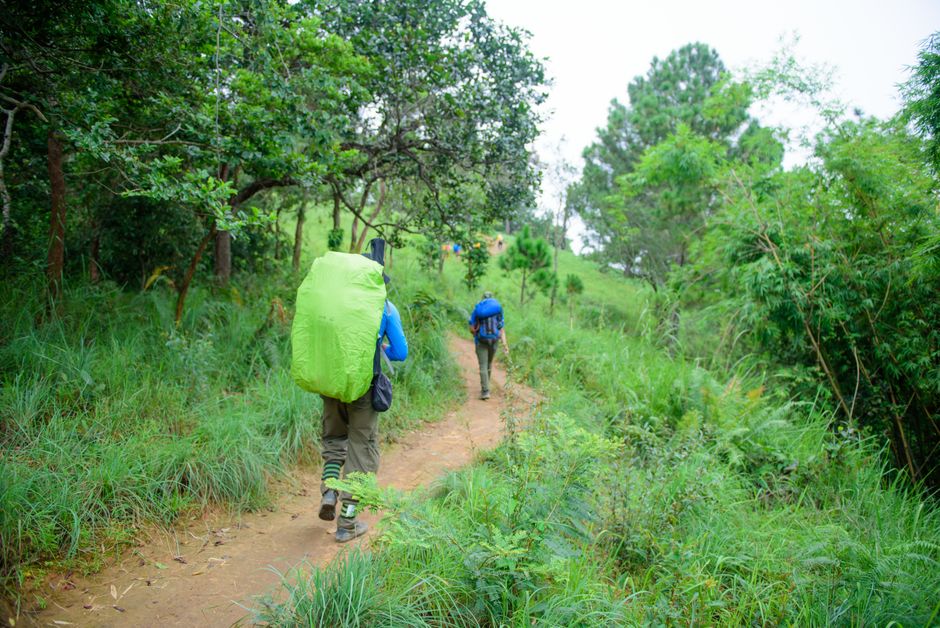
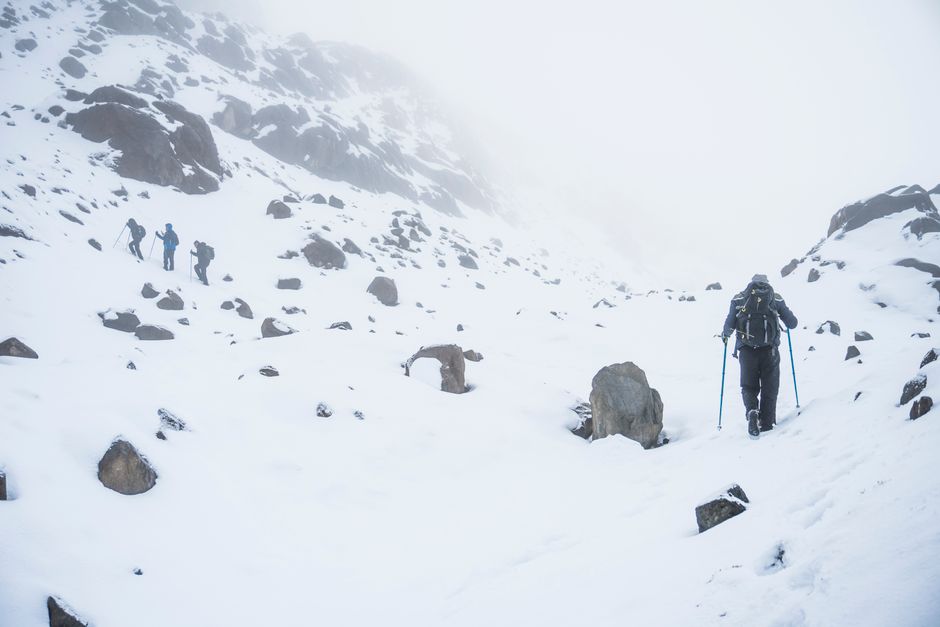
Nigeria, a country of stunning landscapes and diverse cultures, offers more than bustling cities and lively markets. For the adventure-seeker, the country's mountainous regions provide an exhilarating escape. From the undulating hills of Obudu to the towering heights of Chappal Waddi, Nigeria is a climber's paradise waiting to be discovered. Whether you're a seasoned climber or a curious novice, there's something for everyone amid Nigeria's rugged terrain.
Mountain climbing is not just about reaching the peak; it's about the journey, the camaraderie, and the breathtaking views that greet you at the summit. However, for many Nigerians, mountain climbing is an untapped adventure sport. This article aims to guide you through the essentials of mountain climbing in Nigeria, from preparation to peak, ensuring a safe and unforgettable experience.
The Allure of Nigeria's Mountain Peaks
Exploring Obudu Mountain
Obudu Mountain, located in Cross River State, is renowned for its lush greenery and cool climate. The mountain is part of the Obudu Plateau, which is home to the famous Obudu Mountain Resort. The trails here are perfect for beginners and offer stunning views of the surrounding landscapes.
Chappal Waddi: The Tallest Peak
Standing at 2,419 meters, Chappal Waddi in Taraba State is Nigeria's highest point. Also known as the 'Mountain of Death,' it offers a challenging climb that rewards adventurers with panoramic views of the surrounding savannah and the distant borders of Cameroon.
Preparing for Your Climb
Physical and Mental Readiness
Climbing a mountain requires both physical strength and mental endurance. Regular physical training, including cardio, strength training, and flexibility exercises, will prepare your body for the demands of climbing. Equally important is mental preparation; envisioning your success can be a powerful motivator.
Essential Gear Checklist
- Sturdy Hiking Boots: Ensure they are comfortable and broken in before your climb.
- Weather-Appropriate Clothing: Layering is key to adapting to changing temperatures.
- Navigation Tools: A map, compass, or GPS device is essential.
- First Aid Kit: Always carry basic medical supplies for emergencies.
Understanding the Challenges
Weather Conditions
Nigeria's mountains have diverse weather patterns, often unpredictable. It's crucial to check weather forecasts and prepare for sudden changes, especially during the rainy season when trails can become slippery and dangerous.
Altitude Sickness
As you ascend, the air becomes thinner, which can lead to altitude sickness. It's important to recognize symptoms early, such as headaches, nausea, or dizziness, and take preventive measures, like acclimatizing slowly and staying hydrated.
"Preparation is key to conquering any mountain. Understanding the environment and your own limits will ensure a safe and enjoyable climb."
Experiencing the Climb
Guided Tours vs. Solo Climbing
For first-time climbers, joining a guided tour can provide safety and enhance your experience with insights from local guides. Solo climbing offers more freedom but requires a higher level of experience and preparation.
Local Culture and Communities
Interacting with local communities can enrich your climbing adventure. Many tribes and local residents regard these mountains as sacred, and learning about their traditions and stories can offer a deeper connection to the landscape.
Final Thoughts
Mountain climbing in Nigeria is more than an adventure; it's a journey through some of the country's most beautiful and unspoiled regions. With the right preparation and respect for the environment, climbers can enjoy a safe and rewarding experience. So, lace up your boots, pack your gear, and set out to conquer Nigeria's peaks—where the journey is as magnificent as the destination.