Gorilla trekking is an adventure that ranks high on the bucket list for many travelers. But when it comes to choosing between Uganda and Rwanda, the decision isn't always easy. Both countries offer a chance to see these majestic creatures in their natural habitat, but each destination has its own unique offerings. In this article, we'll dive into the specifics of gorilla trekking in Uganda and Rwanda, exploring the tradeoffs and what makes each experience unique.
The Gorillas: Uganda vs. Rwanda
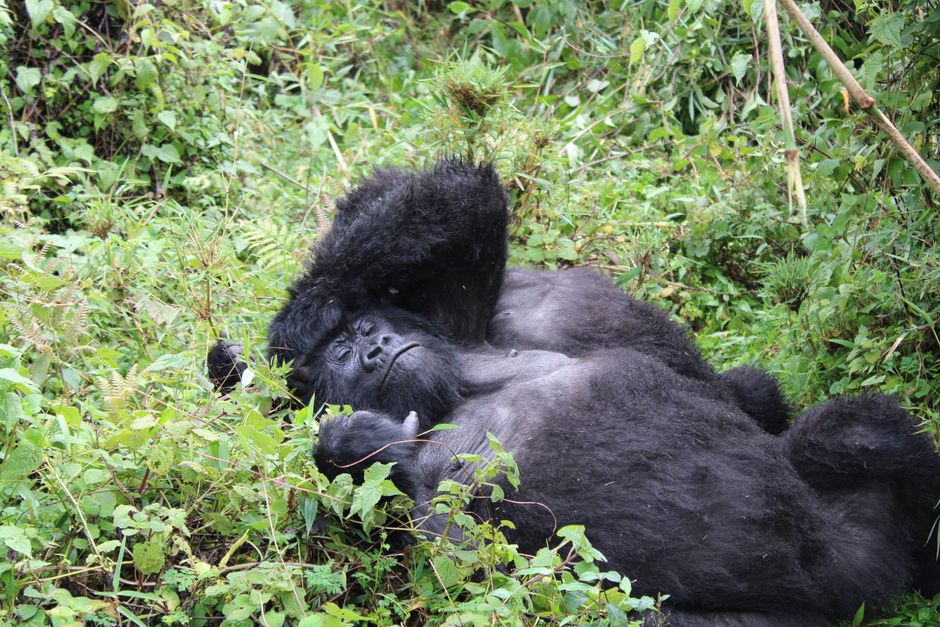
When it comes to gorilla populations, both Uganda and Rwanda have robust communities. Uganda's Bwindi Impenetrable Forest is home to over half of the world's mountain gorillas, while Rwanda's Volcanoes National Park is smaller but equally compelling.
Uganda's Bwindi Impenetrable Forest
Bwindi is known for its dense, lush rainforest. The trek can be challenging as you navigate through thick undergrowth and steep terrain, but the reward is worth it. Uganda's permits are also less expensive, averaging around $700 USD.
Rwanda's Volcanoes National Park
Rwanda offers a more accessible experience with generally shorter treks due to the terrain. The park is smaller, making it easier to locate gorilla families. However, permits cost about $1500 USD, reflecting the country's focus on high-end tourism.
Cost Considerations
Cost is a significant factor for many travelers. While Rwanda offers luxury, Uganda provides a more budget-friendly option without sacrificing the essence of the adventure.
Uganda: A Budget-Friendly Adventure
- Permit Cost: $700 USD
- Accommodation: Options range from budget lodges to mid-range hotels.
- Transportation: More affordable domestic flights and road options.
Rwanda: Luxury and Comfort
- Permit Cost: $1500 USD
- Accommodation: High-end lodges and boutique hotels are prevalent.
- Transportation: More expensive but shorter travel times.
Travel and Accessibility
Getting to the starting point of your trek is another aspect to consider. Accessibility can significantly influence the overall experience and planning required.
Uganda: More Remote
Reaching Bwindi often involves a long drive or a domestic flight. While this adds to the adventure, it requires more planning and time.
Rwanda: Close to Kigali
Volcanoes National Park is just a 2-hour drive from Kigali International Airport, making it a convenient option for travelers with limited time.
Local Culture and Community
Both Uganda and Rwanda offer rich cultural experiences, but there are differences worth noting.
Uganda's Cultural Diversity
With over 50 tribes, Uganda offers a tapestry of cultural interactions. Visitors can engage with communities that live on the fringes of Bwindi.
Rwanda's History and Resilience
Rwanda's cultural tours often focus on its history and recovery from the 1994 genocide, offering a deep and moving experience.
When to Go: Seasonal Differences
Weather can greatly affect your trekking experience. Understanding the best time to visit is crucial for maximizing your adventure.
Uganda: Rainforest Climate
While treks are available year-round, the best times are from June to August and December to February when conditions are drier.
Rwanda: Equatorial Weather
The dry seasons from June to September and December to February are ideal, though the park is open throughout the year.
Conclusion
Choosing between gorilla trekking in Uganda and Rwanda depends on your budget, time, and what kind of adventure you're looking for. Uganda offers an authentic, rugged experience at a lower cost, while Rwanda provides a more luxurious, accessible journey. Both options promise an unforgettable encounter with one of nature's most extraordinary creatures. No matter your choice, you'll leave with memories to cherish for a lifetime.