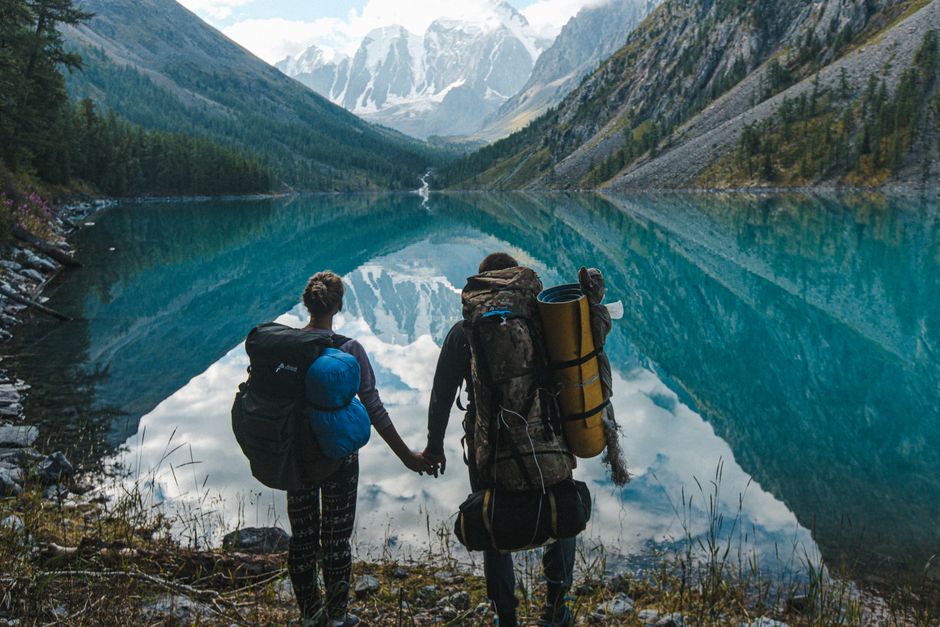
Backpacking through the vibrant and diverse landscapes of Nigeria is a dream for many adventure enthusiasts. Yet, myths about the experience often overshadow the facts, creating a distorted picture of what travelers can expect. From navigating bustling cities like Lagos to exploring the serene landscapes of Obudu Plateau, there's much to see and know.
Despite the allure, misconceptions abound. Some believe that backpacking in Nigeria is fraught with danger or that it's logistically impossible without breaking the bank. But how true are these claims? Let’s delve into some widely believed myths and the facts that set the record straight.
Myth 1: Backpacking in Nigeria is Unsafe
The Perception of Danger
Many potential backpackers are deterred by reports of unsafe travel conditions. News outlets often highlight incidents that paint the entire country as perilous. But is this the whole truth?
The Reality of Safety
While certain areas do pose risks, such as the northeastern region, which has been affected by insurgency, many parts of Nigeria are safe for travelers. Cities like Lagos, Abuja, and Calabar have thriving tourist scenes with security measures in place.
"Travelers should exercise the same level of caution they would in any unfamiliar place. Research, local advice, and staying alert can ensure a safe journey."
Myth 2: Backpacking is Only for the Wealthy
The Cost Misconception
Backpacking is often thought to be an expensive pursuit, especially when it involves international flights and accommodations. This myth deters many budget-conscious travelers.
An Affordable Adventure
In reality, Nigeria offers a range of affordable travel options. Public transportation is inexpensive, and many hostels and budget-friendly hotels provide affordable lodging. For example, traveling from Lagos to Ibadan can cost less than ₦2000 by bus.
- Use platforms like Couchsurfing to find free accommodations.
- Opt for local eateries over international chains for authentic and cheap meals.
Myth 3: Language Barriers Make Traveling Difficult
Communication Concerns
With over 500 languages spoken, travelers worry about communication challenges. But is this a valid concern for adventurers?
Overcoming Language Differences
English is widely spoken throughout Nigeria, especially in urban areas. In fact, most interactions, especially those involving tourism, occur in English. However, learning a few phrases in Yoruba, Igbo, or Hausa can enrich your travel experience.
"A simple 'Bawo ni?' in Yoruba or 'Kedu?' in Igbo can open doors to new friendships and experiences."
Myth 4: All Travel in Nigeria is Strenuous
The Notion of Exhausting Travel
Many believe that travel within Nigeria is a physically demanding ordeal, involving long, uncomfortable journeys.
Comfortable Options Exist
Contrary to this belief, travelers can find comfortable, and even luxurious, travel options. Domestic flights and upscale bus services like God is Good Motors provide comfort and efficiency. Plus, the ongoing improvements to infrastructure mean that road travel is becoming more reliable and less cumbersome.
- Consider domestic flights for long distances to save time and energy.
- Choose reputable transportation services for comfort.
Final Thoughts
Backpacking in Nigeria offers a unique blend of adventure, culture, and unforgettable experiences. While myths about safety, cost, language, and comfort persist, they don't represent the true essence of traveling through this diverse country. By understanding the facts, adventurers can dispel these myths and embrace all that Nigeria has to offer.
With its welcoming people, stunning landscapes, and vibrant cities, Nigeria is a backpacker's treasure trove waiting to be explored. As you plan your next adventure, remember to approach each journey with an open mind, and you'll discover the truth that lies beyond the myths.