Climbing the majestic peaks of the world is a dream for many adventurers. Two of the most iconic experiences are scaling Mount Kilimanjaro and trekking to the Everest Base Camp. Both offer unique challenges and breathtaking views, but they differ significantly in terms of logistics, difficulty, and experience. For Nigerian adventurers contemplating which path to take, understanding the nuances of each can be crucial in making an informed decision.
The Journey to Kilimanjaro
Location and Accessibility
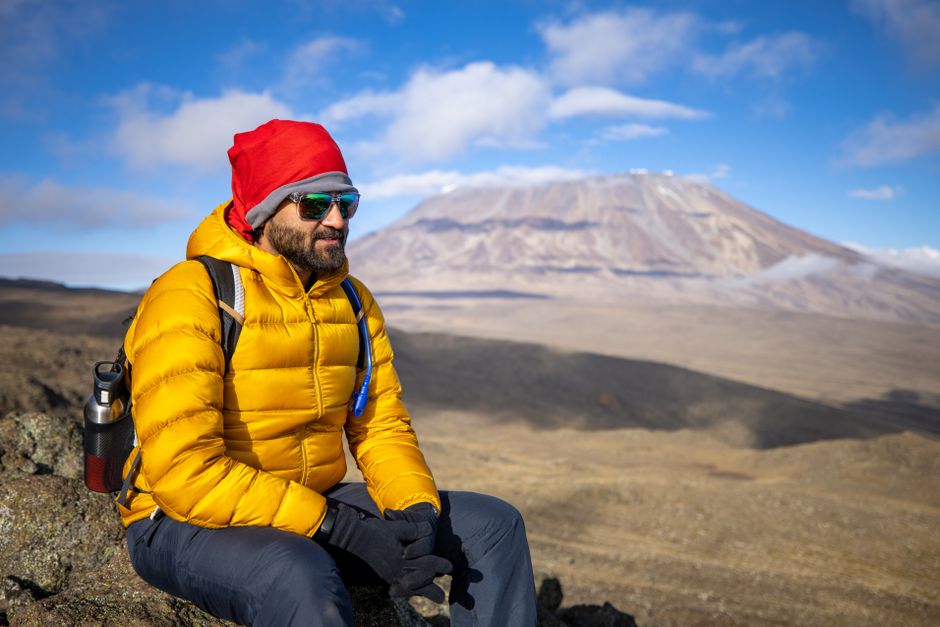
Mount Kilimanjaro is located in Tanzania, making it relatively accessible from Nigeria. A direct flight to Tanzania can make the journey to the mountain straightforward, often taking less than 5 hours. This proximity is a significant advantage for Nigerian travelers looking for a quick adventure fix.
Climbing Experience
Kilimanjaro offers a variety of routes, each with its own level of difficulty and scenery. The Marangu Route, often called the 'Coca-Cola Route,' is the most popular and considered the easiest, but it can be crowded. In contrast, the Machame Route, known for its stunning views, provides a more challenging, less populated option.
- Marangu Route: Easiest, crowded, huts accommodation.
- Machame Route: Scenic, more challenging, camping required.
- Lemosho and Rongai Routes: Less crowded, diverse landscapes.
"Choosing the right route can make or break your Kilimanjaro experience. Consider your fitness level and the type of landscape you want to explore."
Cost Considerations
Climbing Kilimanjaro can be relatively affordable, with costs ranging from $1,500 to $4,000 depending on the route, guide services, and accommodations. Given the proximity to Nigeria, travel costs can also be minimized.
Trekking to Everest Base Camp
Location and Accessibility
The Everest Base Camp trek is situated in Nepal, requiring a longer, more complex journey from Nigeria. Travelers often have to take multiple flights to reach Kathmandu, followed by a domestic flight to Lukla. The journey can be an adventure in itself but demands more time and preparation.
Trekkers' Experience
The trek to Everest Base Camp is a cultural and physical journey through the heart of the Himalayas. It offers an immersive experience into Sherpa culture and breathtaking views of the world's tallest mountain range. The trek typically lasts about 12–14 days, with acclimatization days built in to help with the altitude.
- Namche Bazaar: Cultural hub and acclimatization stop.
- Tengboche Monastery: Spiritual resting point with mountain views.
- Gorak Shep to Everest Base Camp: The final push with breathtaking scenery.
"The Everest Base Camp trek isn't just about reaching a destination. It's about embracing the journey, the culture, and the unparalleled landscapes along the way."
Cost Considerations
Trekking to Everest Base Camp is generally more expensive than Kilimanjaro, with costs ranging from $1,200 to $3,000, excluding international flights. The longer journey and additional preparations, such as hiring guides and purchasing trekking permits, contribute to the higher expense.
Comparing the Physical Challenges
Both adventures demand a certain level of physical fitness but differ in altitude adjustments and technical requirements. Kilimanjaro, at 5,895 meters, is higher but less technical. Its rapid ascent can lead to altitude sickness if acclimatization isn't properly managed. Conversely, Everest Base Camp, at 5,364 meters, has a slower ascent, allowing for better acclimatization. However, the trek involves longer durations and diverse terrains, which can be physically taxing.
Cultural and Scenic Differences
While Kilimanjaro provides a singular landscape of volcanic terrain, the Everest trek offers a mix of sub-tropical jungles, alpine forests, and high-altitude deserts. Cultural interactions are richer in Nepal, with the Sherpa community offering insights into Himalayan life and traditions.
"Both destinations offer unique landscapes and cultural experiences. Kilimanjaro feels like a personal journey through nature, whereas Everest immerses you in a living, breathing culture."
Final Thoughts
Deciding between Mount Kilimanjaro and Everest Base Camp can be challenging, each offering its own set of rewards and difficulties. For Nigerian adventurers, Kilimanjaro's proximity and affordability might be appealing for a first-time high-altitude climb. On the other hand, Everest Base Camp provides a more immersive cultural experience and a slower, more gradual ascent, making it ideal for those seeking a comprehensive journey both physically and culturally.
Ultimately, the choice boils down to what you seek in an adventure. Consider your time, budget, and personal preferences before embarking on this life-changing journey.