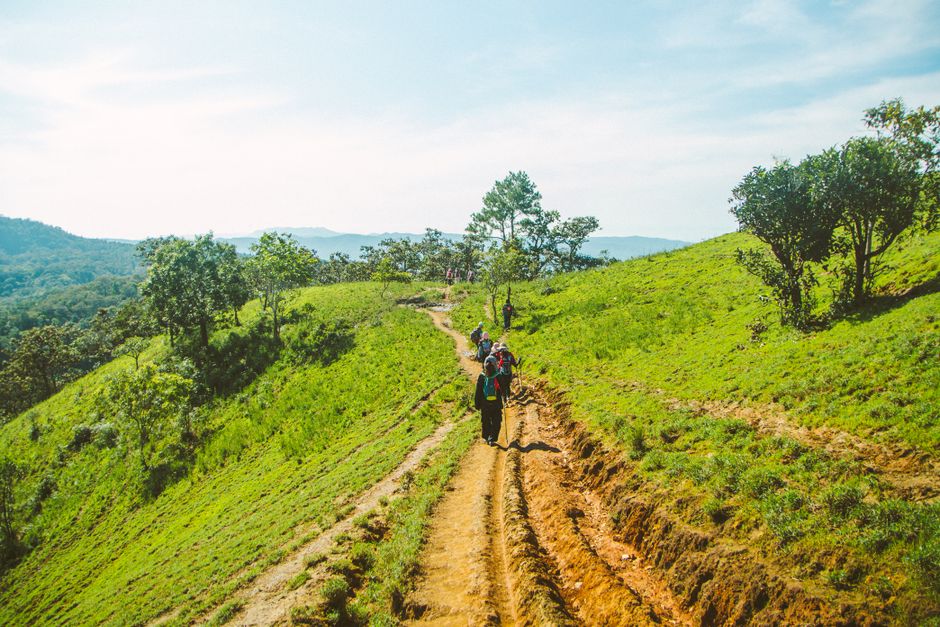
Picture this: the early morning sun gently kissing the peaks of Obudu Mountain, its rays weaving through the lush greenery. For many adventure seekers, Nigeria's mountains are often the next best exploration after the abundant wildlife and cultural richness of the country. From the challenging peaks of Chappal Waddi to the tranquil heights of Idanre Hills, each mountain offers its unique tale for those willing to tread its paths.
First-time climbers and seasoned adventurers often find themselves drawn to these mountains for a spectrum of experiences, yet the journey up these majestic heights varies significantly depending on one's expertise. In this guide, we delve into how beginners and experienced climbers can navigate these mountains, offering practical advice for each stage of the journey.
Understanding Nigeria's Mountain Landscape
For the Beginners
Beginners, welcome to a world where every step is a discovery. Nigeria's mountainous terrains are as diverse as they are captivating. Start with the more accessible mountains like Idanre Hills, known for its breathtaking scenery and relatively easy climb. It's a great initiation into the world of mountain climbing, with guided tours available to help you appreciate the historical significance of the area.
- Preparation: Invest in basic gear like hiking boots and a sturdy backpack. Consider lightweight clothing suitable for the Nigerian climate.
- Guides: Hire a local guide who can offer insights into the terrain and culture, which adds depth to your adventure.
For the Experts
Experienced adventurers, you're likely looking for more challenging climbs. The Chappal Waddi, the highest point in Nigeria, should be on your radar. Known for its rugged paths and unpredictable weather, it's a test of endurance and skill.
- Advanced Gear: Equip yourself with advanced climbing gear, including ropes and harnesses. Ensure your GPS device is up-to-date.
- Solo vs. Group: While solo adventures offer solitude, consider group climbs for safety reasons in more challenging terrains.
Nutrition and Hydration: A Game-Changer
Beginners' Approach
For beginners, maintaining energy levels is crucial. As you explore mountains like Shere Hills, plan your meals and hydration carefully. Nigerian staples like jollof rice and snacks like chin chin can keep your energy up.
- Hydration: Carry a reusable water bottle and take regular sips to avoid dehydration.
- Snacks: Pack energy bars and nuts for quick boosts during breaks.
Advanced Climbers' Strategy
Experienced climbers need a more tailored approach. At altitudes such as those found on the Mambilla Plateau, your body demands more nutrients.
- High-Calorie Diet: Incorporate high-calorie snacks that are easy to carry and digest.
- Electrolytes: Use electrolyte tablets or drinks to replenish lost salts.
Dealing with Unexpected Challenges
For Beginners
First-timers should anticipate changes in weather and terrain. Places like the Jos Plateau can surprise new climbers with sudden rain.
- Plan for Weather: Always check the forecast and carry a lightweight raincoat.
- Stay Informed: Keep in touch with your guide for real-time updates on weather and terrain.
For Experts
For the seasoned, unpredictable weather is part of the thrill. However, knowledge is your best tool.
- Advanced Preparation: Study the terrain thoroughly and plan for multiple scenarios.
- Emergency Kits: Always have a first-aid kit and emergency supplies in case of injury.
Final Thoughts
Whether you're just starting your mountain climbing journey or looking to conquer Nigeria's tallest peaks, each climb is a story of personal triumph. Beginners can find joy in the small victories, like reaching their first summit, while seasoned climbers can push their limits with more challenging ascents. Nigeria's mountains offer a unique blend of beauty, challenge, and cultural richness that leaves a lasting impression on all who venture into their embrace.