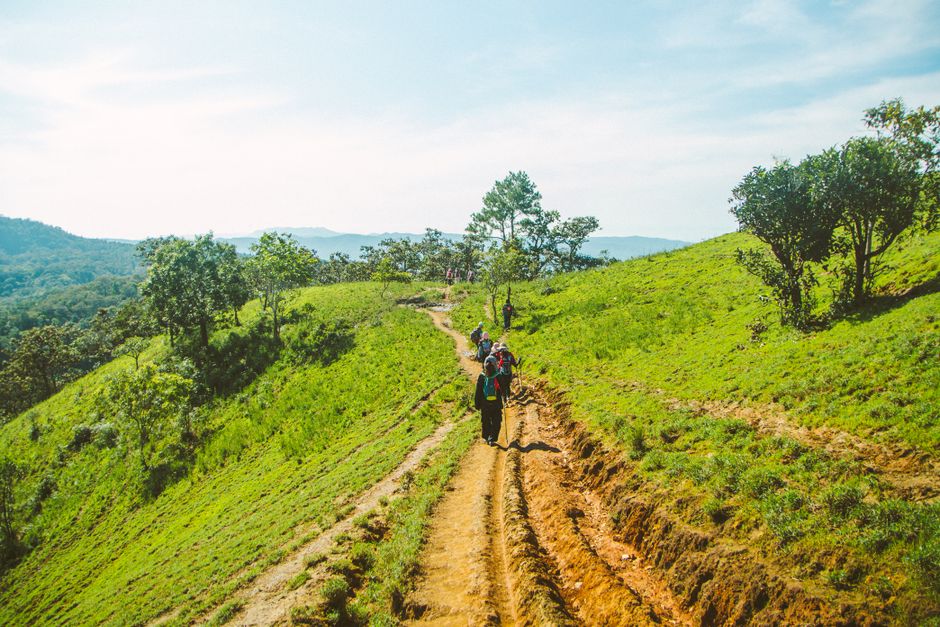
Climbing Mount Kilimanjaro was a dream I nurtured for years, and when the opportunity finally presented itself, I jumped at it without much thought. Now, looking back, there are several things I wish I had done differently. The climb was both exhilarating and exhausting, leaving me with a sense of achievement and a few regrets. If you're planning to take on this adventure, my hindsight might just be your foresight.
Mount Kilimanjaro, standing majestically at 5,895 meters, is no small feat. Often termed the 'Roof of Africa', it attracts thousands of climbers each year. However, many, including myself, underestimate the physical and mental preparation required. Here’s how I would approach my Kilimanjaro climb differently if I were to do it again.
Choosing the Right Route
Marangu vs. Machame: A Lesson Learned
During my climb, I chose the Marangu Route, often called the 'Coca-Cola Route'. It seemed the easiest with its huts instead of tents. But the ease came at a cost. The route is crowded and offers less time for acclimatization, which I realized too late.
"Acclimatization is crucial. Opt for the Machame Route for more scenic views and better acclimatization time."
Understanding the Duration
The Marangu takes about 5 to 6 days, which seemed optimal initially. But the rapid ascent left me battling altitude sickness. If I were to climb again, I’d choose a longer route, like the Lemosho, to allow my body to adjust better.
Physical Preparation
Underestimating the Altitude
I was in decent shape, but ascending to such heights was another challenge altogether. Cardio workouts alone weren’t enough. If I could, I’d incorporate more strength training and hiking with elevation gain into my preparation.
Training Regimen
- Strength Training: Focus on legs and core.
- Cardio: Running and cycling regularly.
- Hiking: Practice on uneven and elevated terrains.
Preparing specifically for the demands of the climb is essential. Consider hiring a trainer who understands high-altitude trekking.
Gear and Packing
Overpacking vs. Underpacking
Packing for Kilimanjaro was a tricky balance. I ended up overpacking some items and underpacking others. Next time, I’d invest more time into understanding what’s essential.
- Essential Gear: Good quality hiking boots, thermal layers, and a down jacket.
- Unnecessary Items: Extra gadgets and non-essential clothing.
"Pack smart, not heavy. Prioritize comfort over style and technology."
Understanding the Mental Challenge
Psychological Preparation
While I was physically prepared, the mental challenge was something I hadn’t anticipated. Long days of trekking and the cold nights tested my resolve.
To better prepare, I’d engage in more mental conditioning exercises, like meditation and visualization techniques, to build resilience.
Group Dynamics
Climbing with a group can be both a blessing and a curse. I’d choose my climbing companions more carefully, ensuring we share similar goals and pace.
Cultural and Environmental Considerations
Engaging with the Local Community
Mount Kilimanjaro is surrounded by rich cultural heritage. During my climb, I missed out on engaging with the local Chagga people and their traditions. Next time, I'd allocate more time to explore and appreciate the local culture.
Environmental Responsibility
Being environmentally conscious is crucial. I’d ensure to carry biodegradable supplies and minimize waste, supporting eco-friendly tour operators.
"Leave no trace. Kilimanjaro is a natural wonder. Our responsibility is to keep it that way."
Final Thoughts
Climbing Kilimanjaro taught me lessons far beyond the trek itself. It was a journey of self-discovery, resilience, and immense learning. If you're contemplating this adventure, remember that preparation is key, both mentally and physically. Learn from my experiences, and you'll find the climb not only achievable but also immensely rewarding. Adventure awaits. Equip yourself well and savor every moment of this majestic quest.