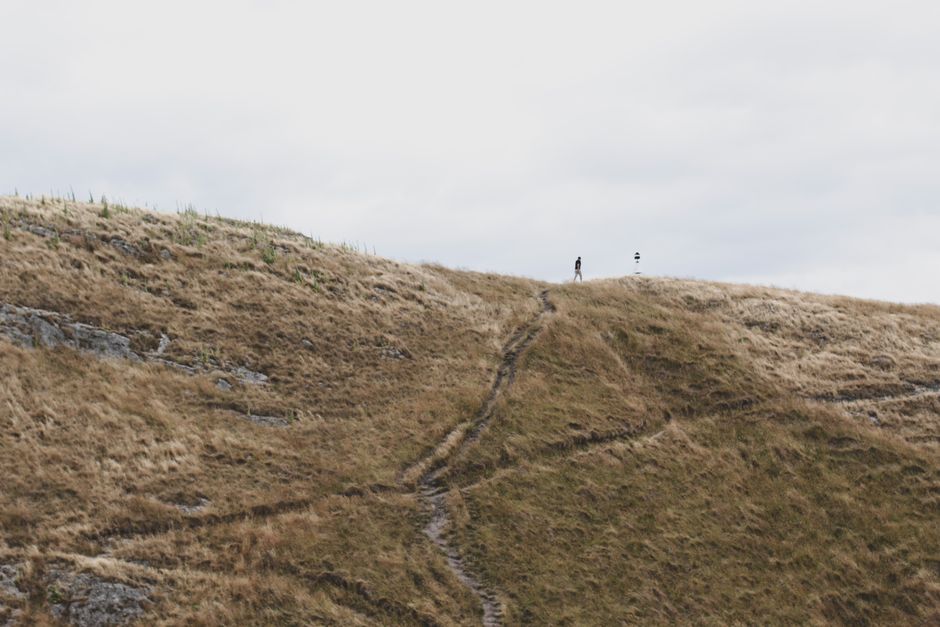
Nigeria, often celebrated for its vibrant cultures and bustling cities, also boasts some of the most breathtaking landscapes perfect for hiking enthusiasts. If you're an adventure seeker eager to explore Nigeria's natural beauty, hiking is a must-try activity. From the challenging peaks of the Obudu Plateau to the serene trails of Idanre Hills, Nigeria offers a plethora of hiking experiences that cater to both beginners and seasoned hikers.
As you lace up your hiking boots and prepare to embark on these thrilling adventures, it's essential to equip yourself with the right knowledge and tips to make the most of your hiking experience. Whether you're hiking for the first time or you're a seasoned trekker, this guide will provide you with essential information, from selecting the best trails to understanding local customs and safety tips.
So, pack your backpack, bring your adventurous spirit, and let’s dive into the ultimate guide to hiking adventures in Nigeria.
Choosing the Right Hiking Trail
Understanding Your Fitness Level
Before selecting a trail, it's crucial to assess your fitness level. Nigeria's hiking trails range from easy walks to strenuous climbs. Knowing your physical limits will help you choose a trail that matches your fitness level, ensuring a safe and enjoyable adventure.
Popular Hiking Trails in Nigeria
- Obudu Mountain Resort: Known for its stunning views and challenging trails, Obudu is a favorite among experienced hikers.
- Idanre Hills: Offering moderate trails with rich cultural history, perfect for those looking to combine hiking with exploration.
- Erin-Ijesha Waterfalls: An easier hike suitable for beginners, with the reward of a refreshing waterfall view at the end.
Preparing for Your Hike
Essential Gear and Supplies
Having the right gear is essential for a successful hike. Ensure you have sturdy hiking boots, a comfortable backpack, weather-appropriate clothing, and a hat for sun protection. Don't forget to pack a first-aid kit, snacks, and plenty of water.
Safety Tips
While hiking is generally a safe activity, it's important to take precautions. Always inform someone of your hiking plans, stay on marked trails, and be aware of your surroundings. Additionally, consider hiking with a group or hiring a local guide for unfamiliar areas.
"Safety is paramount when hiking. Always hike prepared and informed."
Engaging With Local Culture
Respecting Local Customs
As you explore Nigeria’s trails, you'll encounter diverse cultures and communities. It's important to respect local customs and traditions. Greet locals warmly, seek permission before taking photos, and be mindful of cultural sensitivities.
Supporting Local Economies
Consider hiring local guides or purchasing locally-made products during your hikes. This not only enhances your experience but also supports the communities that make these beautiful trails accessible.
Environmental Considerations
Leave No Trace Principles
Preserving Nigeria's natural beauty is crucial. Follow the Leave No Trace principles by carrying out all your trash, minimizing campfire impacts, and respecting wildlife.
Contributing to Conservation Efforts
Join local conservation efforts or volunteer with organizations focused on preserving Nigeria's natural landscapes. Your contributions can make a significant impact in maintaining these trails for future generations.
Final Thoughts
Nigeria's hiking trails offer more than just a physical challenge; they provide an opportunity to connect with nature and immerse yourself in the country's rich cultural tapestry. Whether you're ascending the heights of the Obudu Plateau or meandering through the scenic Idanre Hills, each trail offers unique experiences that are both rewarding and enriching.
By preparing adequately, respecting local customs, and prioritizing safety, you can enjoy a memorable hiking adventure in Nigeria. So, take the leap, embrace the challenge, and experience the unparalleled beauty of Nigeria's landscapes.